
Sports
A Deep Dive into baltimore orioles vs san francisco giants match player stats


When two iconic franchises like the Baltimore Orioles and the San Francisco Giants clash on the baseball diamond, it’s more than just a game; it’s a confluence of history, strategy, and individual brilliance. While these teams reside in different leagues, their interleague matchups are always a treat for fans, offering unique opportunities to compare and contrast playing styles and individual talents. Looking beyond just who won or lost, diving into the player statistics reveals the intricate details that shape these contests.
A Glimpse Through Time: The Head-to-Head Record
The Baltimore Orioles and San Francisco Giants share a surprisingly balanced all-time head-to-head record, standing at 12-12. This even split, especially considering their limited opportunities to play each other outside of interleague play and the World Series (which they have never met in), speaks volumes about the competitive nature of their matchups. It suggests that when these two teams face off, it’s often a tight contest where individual player performances can swing the momentum significantly.
Their interactions have spanned decades, and while the rosters have changed countless times, the underlying competitiveness remains. These games aren’t part of a heated divisional rivalry, but rather special occasions that capture the essence of baseball’s interleague charm, allowing fans to witness different styles of play from across the country.
Recent Encounters: A Focus on the September 2024 Series
To truly understand player statistics in action, it’s invaluable to pinpoint a recent series. The matchups in September 2024 offer a fantastic snapshot of contemporary player performance. Specifically, the game on September 17, 2024, where the San Francisco Giants dominated the Baltimore Orioles with a 10-0 victory, provides a rich source of individual statistics that illustrate a complete team effort on one side and a challenging night for the other.
San Francisco Giants: A Masterclass in Dominance
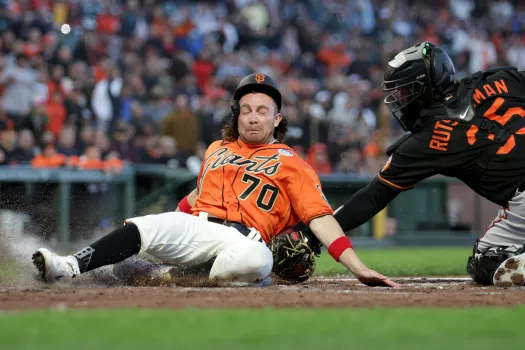
The Giants’ offensive and pitching prowess was on full display in that 10-0 shutout.
Pitching Excellence:
- Blake Snell (P): As the winning pitcher, Snell delivered a masterful performance, going 6.0 innings, allowing just 2 walks, and striking out an impressive 12 batters. His 98 pitches were efficiently used to stifle the Orioles’ lineup, demonstrating his ability to command the strike zone and overpower hitters. A strong performance from a starting pitcher sets the tone for the entire game, and Snell certainly did that, picking up his fourth win of the season.
Offensive Firepower:
- Grant McCray (CF): McCray was a spark plug at the top of the lineup, going 2-for-2 with 3 runs scored and 2 walks. His ability to get on base and then convert those opportunities into runs was crucial in building the Giants’ lead. This kind of offensive production from a leadoff hitter is a nightmare for opposing pitchers.
- Mike Yastrzemski (RF): Yastrzemski had a fantastic night at the plate, going 2-for-4 with 2 runs, 2 RBIs, and a towering home run. His power and timely hitting were instrumental in driving in runs and extending the Giants’ advantage. A home run is often a momentum shifter, and Yastrzemski’s blast certainly contributed to the Giants’ runaway victory.
- LaMonte Wade (1B): Wade contributed with a 1-for-5 performance, but more importantly, he drove in 2 RBIs. Even without a multitude of hits, his ability to deliver in run-scoring situations highlighted the Giants’ effective situational hitting.
- Heliot Ramos (LF): Ramos also chipped in with a 1-for-5 outing and an RBI, further demonstrating the widespread offensive contributions throughout the Giants’ lineup.
- Michael Conforto (DH): Conforto, like Ramos, went 1-for-5 with 2 RBIs, showcasing the depth of the Giants’ batting order and their collective ability to convert opportunities into runs.
- Patrick Bailey (C): Bailey added a hit, going 1-for-5, ensuring that nearly every batter in the Giants’ starting nine made a contribution.
- Casey Schmitt (3B): Schmitt’s 1-for-2 performance included 2 RBIs, making his plate appearances highly impactful and efficient in driving in runs.
This collective effort from the Giants’ lineup, combined with Snell’s dominant pitching, painted a clear picture of their strong team performance on that particular night.
Baltimore Orioles: A Challenging Outing
For the Orioles, the September 17th game was a tough one, both offensively and on the mound.
Offensive Struggles:
- Adley Rutschman (C): As a key offensive threat, Rutschman went 0-for-4, a rare quiet night for the talented catcher. His inability to get on base impacted the Orioles’ ability to generate offense.
- Gunnar Henderson (SS): Henderson also went 0-for-4, another surprising stat for one of the Orioles’ rising stars. When key players struggle, the entire offense can suffer.
- Anthony Santander (RF): Santander mirrored his teammates with an 0-for-4 performance, indicating a collective struggle against Blake Snell’s pitching.
- Enrique Jimenez (DH): Jimenez went 0-for-2 before being replaced.
- Colton Cowser (PH-LF): Cowser was one of the few bright spots, managing a hit in his only at-bat (1-for-1) as a pinch-hitter.
- Heston Kjerstad (PH-DH): Kjerstad also showed some fight, going 2-for-2 off the bench, demonstrating his potential to spark the offense.
- Estrada Rivera (3B): Rivera managed a hit, going 1-for-2.
- Ryan O’Hearn (PH-1B): O’Hearn also contributed a hit, going 1-for-2.
- Cedric Mullins (CF): Mullins went 0-for-3.
- Connor Mayo (1B-3B): Mayo went 0-for-2.
- Jackson Holliday (PH-2B): Holliday went 0-for-1.
Pitching Challenges:
- Albert Suarez (P): Suarez was the losing pitcher, his 8-6 record reflecting the challenges he faced on the mound against a potent Giants’ lineup. While the box score doesn’t detail his specific innings or runs allowed, the 10-0 final score indicates that the pitching staff, collectively, had a difficult time containing the Giants’ offense.
The statistical breakdown of this game clearly illustrates how a dominant pitching performance combined with timely and widespread offensive contributions can lead to a lopsided victory. For the Orioles, it was a night where their typically strong hitters couldn’t break through, and their pitching struggled to contain the Giants’ bats.
Notable Players Who’ve Crossed the Divide
An interesting facet of interleague play and the long history of Major League Baseball is the number of players who have worn both the orange and black of the Orioles and the black and orange of the Giants. While they might not be considered “rivals” in the traditional sense, these players add a layer of shared history to their occasional matchups.
One of the most prominent names is Will Clark. Known for his smooth left-handed swing and intense demeanor, Clark spent the majority of his illustrious career with the San Francisco Giants, becoming a fan favorite and a true face of the franchise. Later in his career, he had a stint with the Baltimore Orioles, offering a unique connection between the two clubs. His presence on both rosters highlights the transient nature of professional baseball careers and the way players contribute to the rich tapestries of multiple team histories.
Another Hall of Famer who played for both franchises is Hoyt Wilhelm. A pioneer of the knuckleball, Wilhelm’s career spanned decades, and he pitched effectively for both the Orioles and the Giants, among other teams. His enduring legacy as a reliever and the uniqueness of his pitching style make him a memorable link between these two storied organizations.
These players, and many others like them, represent the shared heritage of baseball, where individual careers often weave through various team histories, creating a subtle, yet significant, connection when those teams eventually meet.
The Nuances of Player Statistics: Beyond the Box Score
While a single game’s box score gives us a snapshot, true player statistics analysis goes deeper. It involves understanding the context of those numbers, the situations in which they were achieved, and how they contribute to a player’s overall season and career.
- Batting Average (AVG): While a fundamental stat, a player’s batting average in head-to-head matchups can sometimes be misleading due to small sample sizes. However, when looking at a player’s overall season average, it gives an indication of their consistency at the plate.
- On-Base Percentage (OBP): This stat is crucial for understanding how often a player gets on base, whether by hit, walk, or hit-by-pitch. A high OBP indicates a player who consistently creates opportunities for the team to score.
- Slugging Percentage (SLG): Slugging percentage measures a hitter’s power, reflecting their ability to hit for extra bases (doubles, triples, and home runs).
- On-Base Plus Slugging (OPS): OPS combines OBP and SLG, providing a comprehensive measure of a player’s offensive production. It’s often considered one of the best single statistics for evaluating a hitter.
- Runs Batted In (RBI): This stat shows a player’s ability to drive in runs, often reflecting their performance in clutch situations with runners on base.
- Home Runs (HR): The ultimate display of power, home runs are often the most exciting plays in baseball and can drastically change the course of a game.
- Strikeouts (SO) (Pitching): For pitchers, strikeouts are a direct measure of their ability to overpower hitters and prevent them from making contact. Blake Snell’s 12 strikeouts in the September 17th game are a prime example of a dominant strikeout performance.
- Walks (BB) (Pitching): While not as flashy as strikeouts, walks are critical for pitchers. Too many walks can lead to baserunners and put a pitcher in difficult situations, potentially leading to runs.
- Innings Pitched (IP): This stat measures how long a pitcher stays in the game. A high innings pitched total indicates durability and efficiency.
- Earned Run Average (ERA): ERA is perhaps the most well-known pitching statistic, representing the average number of earned runs a pitcher allows per nine innings. A low ERA signifies a highly effective pitcher.
When analyzing the Orioles and Giants, we consider these metrics for their individual players, understanding that a strong collective performance across these categories is often the hallmark of a winning team.
The Unseen Influences: Beyond the Numbers
While player stats are a quantitative representation of performance, they don’t always tell the whole story. Factors such as:
- Momentum: The psychological aspect of a game can influence individual and team performance. A big hit or a clutch strikeout can shift momentum dramatically.
- Home vs. Away Advantage: Playing at home, with a familiar crowd and environment, can often provide a subtle edge.
- Fatigue and Travel: Interleague play often involves cross-country travel, which can impact player performance.
- Managerial Decisions: Lineup changes, pitching matchups, and in-game strategies by the managers can significantly affect how individual player stats unfold.
- Injuries: Key player injuries can alter the dynamics of a lineup or pitching staff, impacting team performance and individual statistics.
These qualitative factors interact with the raw numbers to create the full narrative of a baseball game.
Looking Ahead: The Evolution of Player Performance
As baseball continues to evolve, so too do the metrics used to evaluate player performance. Advanced analytics, such as WAR (Wins Above Replacement), FIP (Fielding Independent Pitching), and wRC+ (Weighted Runs Created Plus), offer even deeper insights into a player’s true value and contribution. While traditional stats remain popular and easy to understand, these advanced metrics provide a more nuanced picture, often revealing hidden gems and unsung heroes.
The Baltimore Orioles and San Francisco Giants, like all MLB teams, utilize these advanced statistics to scout players, make strategic decisions, and evaluate their rosters. This ongoing evolution of statistical analysis means that our understanding of “player stats” is constantly expanding, providing fans with richer ways to appreciate the game.
In conclusion, the encounters between the Baltimore Orioles and the San Francisco Giants, while infrequent, are always intriguing. By delving into the player statistics from these matchups, we gain a clearer understanding of the individual contributions that shape the outcomes. From dominant pitching performances to clutch hitting, every number tells a story, contributing to the rich tapestry of baseball’s interleague narrative.
Frequently Asked Questions about Orioles vs. Giants Player Stats
1. How often do the Baltimore Orioles and San Francisco Giants play each other? As teams from different leagues (American League and National League, respectively), they only play each other during interleague play in the regular season. This typically means a single series, often just three games, per season or every other season, depending on the MLB schedule rotation.
2. What is the all-time head-to-head record between the Orioles and Giants? The all-time head-to-head record between the San Francisco Giants and the Baltimore Orioles is an even 12-12.
3. Have the Orioles and Giants ever met in the World Series? No, the Baltimore Orioles and San Francisco Giants have never met in the World Series.
4. Which Giants pitcher had a standout performance against the Orioles in September 2024? Blake Snell, for the San Francisco Giants, had a dominant outing against the Orioles on September 17, 2024, pitching 6.0 shutout innings with 12 strikeouts.
5. Which Orioles hitters struggled in the September 17, 2024, game against the Giants? Key Orioles hitters like Adley Rutschman, Gunnar Henderson, and Anthony Santander all went hitless in the September 17, 2024, game.
6. Are there any notable players who have played for both the Orioles and the Giants? Yes, two prominent players who have played for both franchises are Will Clark, a beloved first baseman for the Giants who later played for the Orioles, and Hall of Fame knuckleballer Hoyt Wilhelm.
7. What are some key offensive player statistics to look at in a baseball game? Key offensive stats include Batting Average (AVG), On-Base Percentage (OBP), Slugging Percentage (SLG), On-Base Plus Slugging (OPS), Runs Batted In (RBI), and Home Runs (HR).
8. What are some important pitching player statistics to analyze? Important pitching stats include Earned Run Average (ERA), Strikeouts (SO), Walks (BB), and Innings Pitched (IP).
9. Why is interleague play important for analyzing player stats? Interleague play provides unique opportunities to see how players from different leagues perform against unfamiliar opponents and pitching staffs, offering fresh insights into their versatility and adaptability.
10. Do advanced analytics play a role in evaluating player performance in these matchups? Absolutely. While traditional stats are valuable, advanced metrics like WAR (Wins Above Replacement) and FIP (Fielding Independent Pitching) offer deeper, more nuanced insights into a player’s overall contribution and effectiveness, both in specific matchups and over the course of a season.
Click for more amazing info. News MM

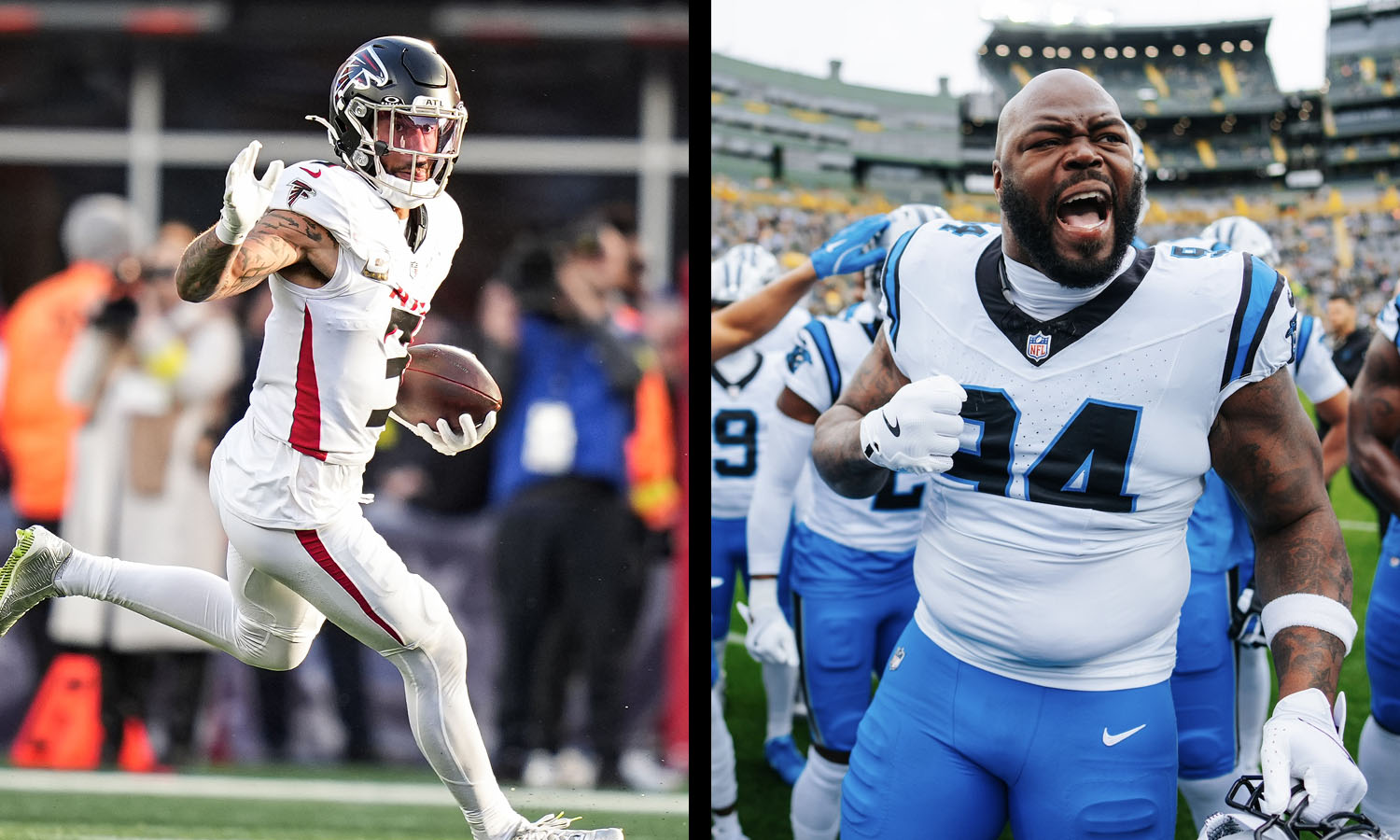
When the Atlanta Falcons and the Carolina Panthers face off, it’s more than just another game, it’s a rivalry full of intense plays, big moves and notable player stats. In this article, we’ll dig into recent matchups, shine a light on key players, and help you understand how those stats shaped the games. Whether you’re a casual fan or someone who wants the details, this is your friendly and clear guide.
The Rivalry and Recent Games
Background
The Falcons and Panthers have built a longstanding rivalry, often battling in the NFC South. The Panthers’ all-time record vs. the Falcons shows they have 23 wins and 37 losses in the series.
This shows that the Falcons have generally had more success in the series, though each game brings its own story.
Two Key Recent Matchups
Let’s look at two recent games where the player stats stood out:
1. Jan 5, 2025 Panthers 44, Falcons 38 (OT)
- The Panthers racked up 425 total net yards while the Falcons gained 537.
- Rushing: Falcons had 227 rushing yards versus Carolina’s 155.
- Passing: Falcons recorded 310 passing yards, Panthers 270.
- Key players: For Atlanta, Bijan Robinson had 170 rushing yards and two touchdowns. This shows how important the ground game was for Atlanta.
- For Carolina, Bryce Young made a big impact with multiple touchdowns.
2. Sep 21, 2025 Panthers 30, Falcons 0
- A shutout: The Panthers blanked the Falcons 30-0.
- For Carolina: Bryce Young completed 16 of 24 passes for 121 yards and rushed for a touchdown.
- Rushing game: Carolina’s Chuba Hubbard carried 17 times for 73 yards.
- For Atlanta: The offense was ineffective, and they gained far fewer yards. The lack of scoring showed how well Carolina’s defense played.
Player by Player Stat Highlights
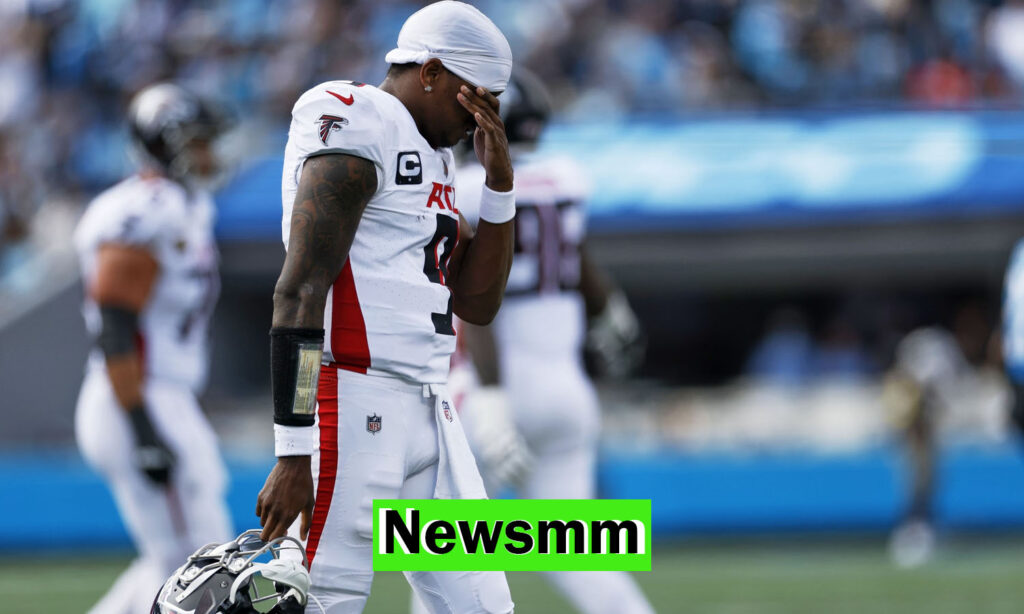
Here are some of the most important players from recent Falcons Panthers games, and what their stats tell us.
Atlanta Falcons
- Bijan Robinson (RB): 170 rushing yards and 2 TDs vs. the Panthers in January 2025. That performance shows how dominant he can be when his blockers create space.
- Tyler Allgeier (RB): His rookie record and consistent rushing numbers show he’s a real contributor.
- A. J. Terrell (CB): On defense, he made key interceptions and pass deflections in the rivalry. One example was intercepting a pass in the Oct 2024 game.
Carolina Panthers
- Bryce Young (QB): He had the game with 5 total touchdowns vs. the Falcons in Jan 2025 and another efficient game in the shutout in Sep 2025. He’s showing flashes of playmaking ability.
- Chuba Hubbard (RB): Averaging solid carries, showing he’s a dependable part of Carolina’s offense. Example, 17 carries for 73 yards in the shutout game.
What the Stats Tell Us
Let’s interpret what these numbers mean in a friendly way:
- When Atlanta runs the ball well, like Bijan Robinson’s 170 yards, they tend to move the chains and control parts of the game. That’s a positive sign for their offense.
- When Carolina’s defense shuts down key plays, like forced turnovers or limiting Atlanta’s rushing or passing, they take control of the game.
- The January 2025 game is interesting because the Falcons actually out-gained Carolina in total yards (537 vs. 425) but still lost. That tells us that stats alone don’t guarantee a win. Turnovers, red zone efficiency, and big plays matter.
- The shutout (30-0) on Sep 21 2025 shows Carolina’s dominance that day, limiting Atlanta’s offense while capitalizing on their own chances.
Why This Matchup Matters
- These two teams are in the same division (NFC South), so their games often carry extra weight for playoff hopes or division rankings.
- Player performance in these games often shows who steps up under pressure. For example, Robinson vs. Young in their respective roles.
- For fans and analysts, looking at the player stats helps tell the story of how the game was won or lost beyond just the final score.
Key Takeaways
- The Falcons vs. Panthers games are frequent and meaningful, one slip can cost a team the division.
- Atlanta’s strength lies in its rushing attack when it’s clicking (Robinson, Allgeier).
- Carolina’s strength lies in its quarterback play (Young) and defense making big plays.
- Statistics like total yards matter, but they don’t always tell the full story. Turnovers, red zone conversions, and timing matter just as much.
- If you want to understand who won and why, look at both the team stats and the individual player numbers.
Frequently Asked Questions (FAQ)
- What was the score of the most recent Falcons vs Panthers game?
Sep 21 2025, Panthers won 30-0. - Who gained more yards in the Jan 5 2025 game?
The Falcons had more total yards (537) than the Panthers (425). - Which Falcons player had the standout rushing performance?
Bijan Robinson rushed for 170 yards and 2 touchdowns in the Jan 5 2025 game. - How did Bryce Young perform in these games?
He threw for 3 TDs in one game (Jan 5 2025) and in the Sep 21 2025 game he completed 16 of 24 passes for 121 yards and ran for a touchdown. - What is the all-time series record between the two teams?
Panthers have 23 wins and 37 losses against the Falcons in the series. - Does more total yards always mean a win?
No, for example, Atlanta gained more yards than Carolina on Jan 5 2025 but still lost. Stats like turnovers and red zone performance also matter. - Which team tends to run the ball better in these games?
The Falcons showed strong rushing games, like Robinson’s big day, but each game varies. Looking at both teams’ rush yardage gives context. - What role does defense play in these matchups?
A big role, Carolina shut out Atlanta 30-0 on Sep 21 2025, showing that defense and special teams can turn the tide. - Why should fans care about player stats?
They show how individual contributions shape the game, who carried the team, who made big plays, who failed to turn the screw. They help explain why a game turned out the way it did. - Where can I find full box scores and stats for these games?
You can find detailed game stats on sites like ESPN, NFL.com, and team websites.
Final Thoughts
The Falcons vs Panthers matchups deliver excitement, tension and important stats. Whether it’s a rushing explosion by Atlanta or a clutch passing and defense game by Carolina, the numbers tell a story. For fans who want to dig deeper, focusing on key player stats like rushing yards, passing efficiency, and turnovers makes watching each game more meaningful.
Click for more amazing info. News MM
Introduction
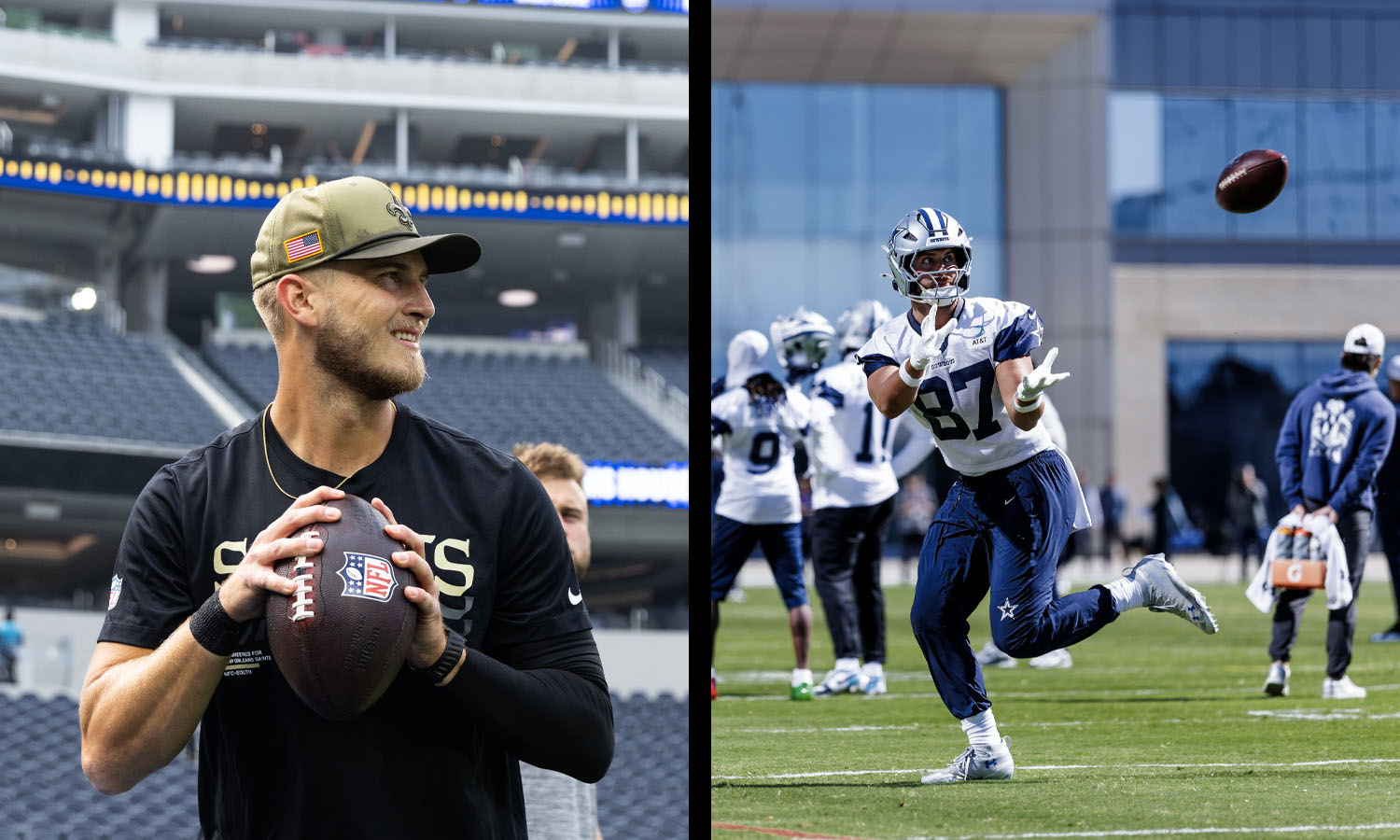
The recent clash between the New Orleans Saints and the Dallas Cowboys is filled with compelling numbers and standout performances. In Week 2 of the 2024 NFL season, the Saints delivered a strong showing on the road, defeating the Cowboys 44 19.
In this article, we’ll dig into the key player stats from that game. We’ll look at how the offense, defence and special teams performed. If you’re a fan of either team, or just love NFL stats, you’ll find useful insights here.
Game Overview
The game took place on September 15, 2024 at the Cowboys’ home, and finished with the Saints winning 44 19.
Some important notes:
- The Saints scored touchdowns on their first six offensive possessions.
- The Cowboys’ long home-game winning streak (16 regular-season home wins) was snapped.
- The Saints piled up 432 total yards to Dallas’s 353.
This sets the stage: one team dominated early and built a lead; the other tried to mount a comeback but could not catch up.
Key Offensive Stats: Saints
Quarterback & Passing
- Derek Carr (Saints QB) completed 11 of 16 passes, threw for 243 yards, 2 touchdowns, and 1 interception.
- One of his biggest plays: a 70 yard touchdown to Rashid Shaheed.
These numbers show efficiency with fewer attempts (just 16) but good yardage and big plays.
Running Game
- The Saints rushed for 190 yards on 39 carries (about 4.9 yards per carry).
- Alvin Kamara carried 20 times for 115 yards, and scored 3 rushing touchdowns. He also made 2 catches for 65 yards and 1 receiving touchdown.
Kamara’s versatility (rushing + receiving) and ability to score multiple TDs was a major factor.
Receiving
- Rashid Shaheed: 4 receptions, 96 yards, 1 touchdown (avg 24.0 yards).
- Chris Olave: 4 receptions, 81 yards.
These big chunk plays helped the Saints stretch the field and build a lead.
Key Offensive Stats: Cowboys
Quarterback & Passing
- Dak Prescott (Cowboys QB) completed 27 of 39 passes, 293 yards, 1 touchdown, 2 interceptions.
- The connection of Prescott to CeeDee Lamb resulted in a notable 65 yard touchdown.
While the yardage was okay, the interceptions and inability to match the Saints’ pace hurt.
Running Game
- The Cowboys rushed 21 times for just 68 yards (3.2 yards per carry).
They struggled to get consistency on the ground compared to the Saints.
Receiving
- CeeDee Lamb: 4 receptions, 90 yards, 1 touchdown (avg 22.5 yards).
The deep connection to Lamb was one of the few bright spots.
Defence & Special Teams Highlights
Saints Defence
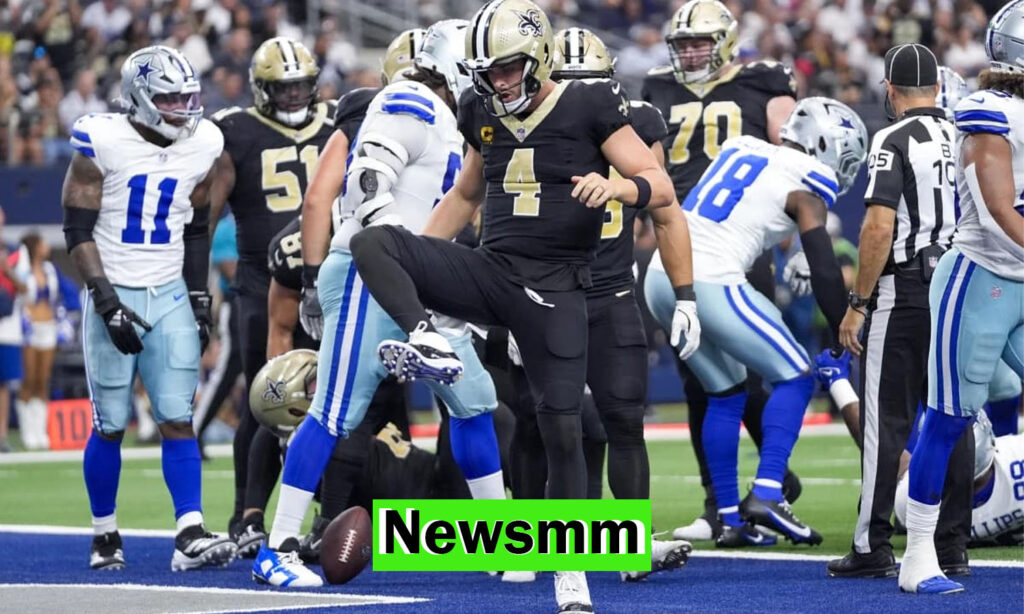
- The Saints defence forced two interceptions: by Paulson Adebo returned for 47 yards, and by Tyrann Mathieu.
- The defence recorded 3 sacks and held the Cowboys to fewer rushing yards.
Turning over the ball and stopping the run helped the Saints control the momentum.
Cowboys Defence & Special Teams
- The Cowboys managed 1 interception (by Donovan Wilson).
- The Cowboys’ kicker, Brandon Aubrey, made 4 of 4 field goal attempts (long of 52 yards).
While the kicker did his job, the offence and defence couldn’t match their opponent’s output.
Why the Saints Won Big
Putting it all together:
- The Saints started fast, scoring on their first six drives. That kind of momentum is hard for an opponent to fight back from.
- Strong performance in the run game (Kamara especially) allowed them to control time and wear down the opposition.
- Big plays: the 70 yard pass, chunk runs, deep catches helped build a lead.
- The Saints defence created turnovers and prevented the Cowboys from establishing a rhythm.
- The Cowboys, though capable of explosive plays (65 yd TD), lacked consistency in the run game and gave up too many big plays.
Key Stats Table
| Category | Saints | Cowboys |
|---|---|---|
| Total Yards | 432 | 353 |
| Rushing Yards | 190 yards (approx 4.9 avg) | 68 yards (3.2 avg) |
| Passing Yards | 243 yards (Carr) | 293 yards (Prescott) |
| Turnovers Forced | 2 (INTs) | 1 (INT) |
| Big Play Impact | Multiple (70 yd pass etc) | 65 yd TD |
Player Highlights
- Alvin Kamara (Saints): A standout. Over 115 rushing yards + 65 receiving yards, and 4 total touchdowns (3 rushing, 1 receiving).
- Derek Carr (Saints): Efficient in passing, made big plays, helped set the tone early.
- Rashid Shaheed (Saints): Big yardage on few targets, including a long touchdown.
- CeeDee Lamb (Cowboys): The deep connection (65 yd TD) was a highlight for Dallas but wasn’t enough.
- Dak Prescott (Cowboys): Solid yardage, but 2 interceptions hurt, and the rushing game let the team down.
What This Means Moving Forward
For the Saints:
- The win shows they can dominate both in run and pass, and apply pressure on the defence.
- The way they started sustained drives and scoring shows a high level offensive cohesion.
For the Cowboys:
- The loss exposes issues in the run game, and the defence’s vulnerability to big plays.
- They must find more consistency and reduce turnovers if they want to contend.
Frequently Asked Questions
- When did the Saints vs Cowboys game take place?
It was on September 15, 2024. - What was the final score?
The Saints beat the Cowboys 44 19. - Who was the Saints’ top rusher?
Alvin Kamara with roughly 115 rushing yards and multiple touchdowns. - How did Dak Prescott perform?
He threw for 293 yards, with 1 TD and 2 interceptions. - Did the Saints force many turnovers?
Yes, they forced at least two interceptions. - What was the rushing yardage comparison?
Saints 190 yards; Cowboys 68 yards. - Did big plays influence the game?
Yes, 70 yard pass from Carr to Shaheed and 65 yd TD from Prescott to Lamb. - What was the Saints’ opening drive performance like?
They scored on their first six offensive possessions. - What streak did the Cowboys lose with this game?
They lost their 16 game regular season home winning streak. - How did special teams contribute?
The Cowboys’ kicker made all 4 field goal attempts (long 52 yards) though the team still struggled.
Conclusion
The matchup between the Saints and Cowboys was a telling game: the Saints showed why they can be dangerous in multiple facets (running, passing, defence and special teams). The Cowboys looked capable in bursts, but not consistent enough to match the effort of their opponent.
For fans and analysts alike, the Saints vs Cowboys player stats from this game offer a clear view of how dominance in key moments, big plays, turnovers, and run game control can decide a game. If you’re tracking either team this season, keep an eye on whether the Saints maintain this level and whether the Cowboys can fix the gaps this game exposed.
Click for more amazing info. News MM
Sports
Kansas City Chiefs vs Philadelphia Eagles Stats: Full Game Highlights and Key Numbers You Should Know

In this article, we explore the matchup between the Kansas City Chiefs and the Philadelphia Eagles. We look at key stats, head to head records, and highlights from their most recent big games. If you want a clear and easy to read summary of Kansas City Chiefs vs Philadelphia Eagles stats, you are in the right place.
1. Background on the Teams
The Kansas City Chiefs and Philadelphia Eagles are two of the most famous teams in the NFL. Each has a strong legacy:
- The Chiefs are known for their exciting offense led by star players and a strong game plan under coach Andy Reid.
- The Eagles are known for balanced play, solid offense, tough defense, and a strong culture under coach Nick Sirianni.
When these two teams meet, it often means high energy and a close contest of skills.
2. Head to Head Record
When we look at how the two teams have done against each other:
- The teams have met about 13 times, including 2 postseason games. The Eagles have won 7, and the Chiefs have won 6.
- Some reports show a slightly different total, but the numbers are very close.
- The important takeaway is that both teams are strong, but recently the Eagles have had the upper hand.
This balance means that each game between them has plenty of excitement and surprises.
3. Recent Major Matchups and Key Stats
Let’s look at two recent big games where these teams met in the Super Bowl.
Super Bowl LVII (February 12, 2023)
- Chiefs beat the Eagles 38 to 35.
- The game was very close, and the result came down to the final minutes.
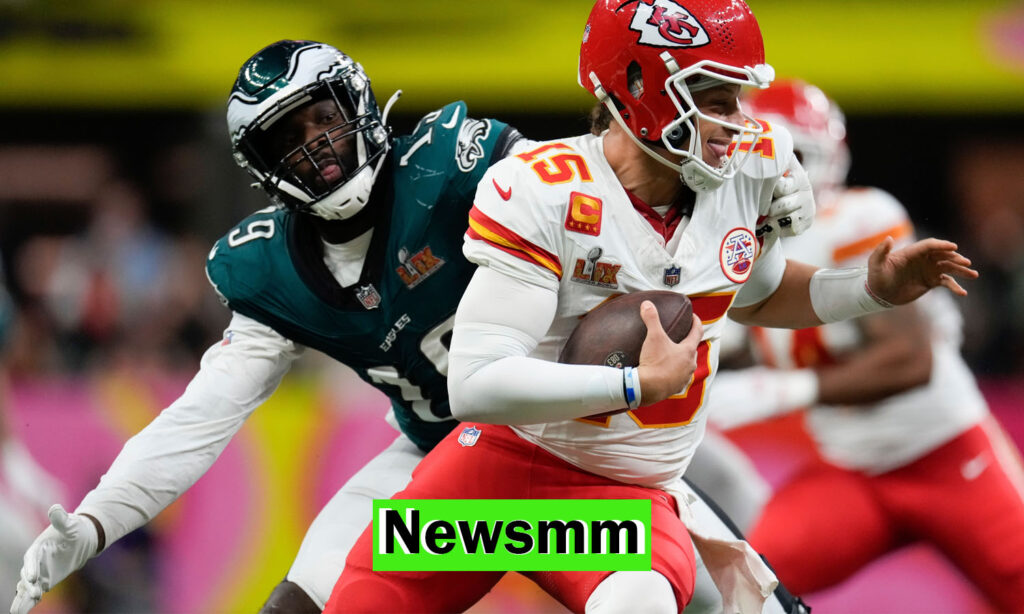
Super Bowl LIX (February 9, 2025)
- Eagles beat the Chiefs 40 to 22.
- The Eagles dominated most of the game.
- Key numbers: Eagles 345 total yards, Chiefs 275. Time of possession, Eagles 36 minutes, Chiefs 23 minutes.
- The Eagles defense sacked the Chiefs several times and forced turnovers.
- The win gave the Eagles a strong claim as the better all around team that day.
4. What the Stats Reveal: Strengths and Weaknesses
By comparing the stats from these games and others, we can see patterns in both teams.
Eagles’ Strengths
- Strong defense. In Super Bowl LIX they applied heavy pressure and stopped the Chiefs early.
- Good balance between passing and running plays.
- Efficient in key moments like turnovers and red zone plays.
Chiefs’ Strengths
- Powerful offense, led by Patrick Mahomes.
- Great comeback ability and experience in big games.
Chiefs’ Weaknesses in These Matchups
- Against the Eagles’ defense, especially in Super Bowl LIX, they had trouble finding rhythm.
- Time of possession was a problem, as the Eagles kept the ball much longer.
- Turnovers and pressure caused mistakes and broke their rhythm.
5. Highlighting Key Numbers
Here are some standout numbers from these matchups:
- In Super Bowl LIX, Eagles outgained Chiefs 345 yards to 275.
- Chiefs’ time of possession was about 23 minutes, while the Eagles had around 37.
- The Eagles currently lead the head to head series 7 to 6.
- In Super Bowl LIX, the Eagles scored 24 points in the first half and controlled the game from start to finish.
6. Why These Matchups Matter
These games are often played for high stakes, such as playoffs or Super Bowls. The stats are not just numbers. They show how both teams perform when the pressure is highest.
They also show how playing styles affect the results. The Eagles’ defense and balanced approach challenge the Chiefs’ explosive offense.
For fans, sports writers, and analysts, these numbers help explain why each game between the Chiefs and Eagles feels so big.
7. What to Watch for Next Time
If the Chiefs and Eagles meet again, here are key things to watch:
- Defense vs offense: Can the Chiefs break through the Eagles’ defense early in the game?
- Time of possession: Which team controls the ball longer often decides the winner.
- Turnovers and sacks: Big plays can quickly change momentum.
- Red zone performance: Scoring touchdowns instead of field goals makes a huge difference.
- Fast start: The team that scores early often keeps control of the game.
8. Summary
The Kansas City Chiefs vs Philadelphia Eagles stats tell the story of a close rivalry with the Eagles having a small recent edge. The Eagles’ defense, longer possession, and balanced attack have helped them in key games.
The Chiefs remain a dangerous team with one of the best offenses in football, but they have struggled when the Eagles’ defense takes control early.
Fans looking forward to future matchups can expect more great games filled with energy and tight finishes.
9. Frequently Asked Questions (FAQ)
- What is the all time record between the Chiefs and Eagles?
They have met about 13 times including playoffs. The Eagles lead 7 to 6. - Which team won the most recent matchup?
The Eagles won the most recent meeting, 40 to 22. - What were the total yards for each team in that game?
Eagles had about 345 total yards and the Chiefs had about 275. - How many sacks did the Eagles get on the Chiefs in that game?
The Eagles recorded six sacks. - Which team has been more dominant recently in this rivalry?
The Eagles have been more dominant in the last few games. - How did the Chiefs perform in their Super Bowl win vs Eagles?
They won 38 to 35 in a close and exciting game. - Why are these matchups so popular?
Because they often decide championships and feature two of the best teams in football. - What should fans watch for in future games between these teams?
Watch for turnovers, possession control, and early momentum. - Was the Eagles win in Super Bowl LIX one sided?
Yes. The Eagles led early and kept control throughout the game. - Can the Chiefs bounce back in future meetings?
Yes. With their talent and experience, they can turn things around in future games.
Click for more amazing info. News MM
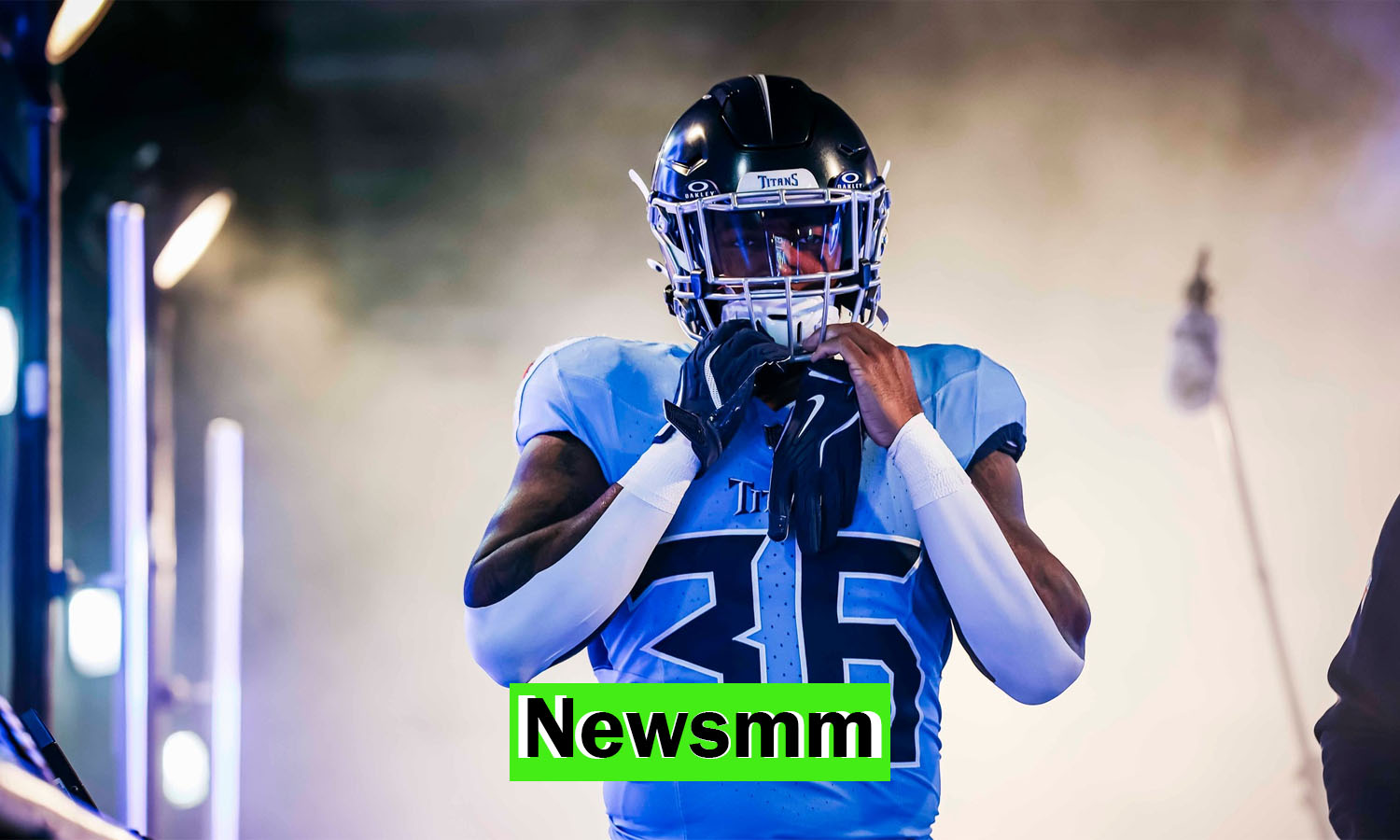
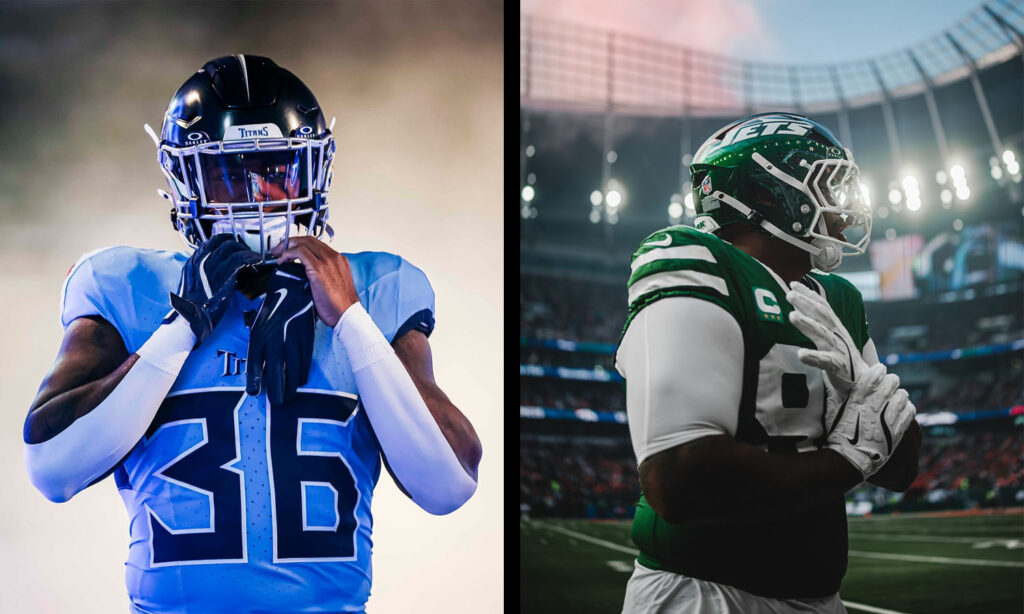
The matchup between the New York Jets and the Tennessee Titans in Week 2 of the 2024 NFL season offered a solid mix of power plays, key mistakes and standout performances. In this article, we dive into the player stats, team numbers and key moments in clear, easy language so anyone can follow along.
Game overview
On Sunday, September 15, 2024, the Jets visited the Titans in Nashville. The Jets won 24–17.
Here are a few important game outcomes to keep in mind:
- The Jets improved their record to 1-1, while the Titans fell to 0-2.
- The Titans out-gained the Jets in total yards (300 vs 265) but the Jets made better use of their chances.
- A key moment was the Jets rookie running back scoring a go-ahead touchdown with 4:31 remaining.
With those high level notes out of the way, let’s turn to the player stats and see who really made an impact.
Jets: Standout players and key stats
Aaron Rodgers (QB)
Aaron Rodgers delivered a methodical performance: 18 completions out of 30 attempts, for 176 passing yards with 2 touchdowns and 0 interceptions.
He was calm under pressure and led the important late drive that gave the Jets the lead.
His passing average was about 5.9 yards per attempt this game.
Breece Hall (RB)
Breece Hall was effective on the ground and catching the ball: 14 rush attempts for 62 yards, plus 7 receptions for 52 yards and a receiving touchdown.
His dual-threat nature made him a big piece of the Jets offense.
Braelon Allen (RB)
Braelon Allen made waves. He had a rushing touchdown and a receiving touchdown in the same game, a notable performance for a rookie.
His go-ahead 20-yard run with 4:31 left was the game changer.
Other Jets notes
- The Jets offense moved 265 total yards.
- They converted a key 3rd down rate around 42.9%.
- The offensive line protected Rodgers well, only one quarterback pressure allowed according to analysis.
Titans: Standout players and key stats
Will Levis (QB)
Will Levis had a solid statistical line but mixed results. He completed 19 of 28 passes for 192 yards, 1 touchdown and 1 interception.
He also lost a fumble inside the 10 yard line, which hurt Tennessee’s chance to tie late.
Calvin Ridley (WR)
Calvin Ridley was the main receiving threat for the Titans. He caught 4 passes for 77 yards and 1 touchdown, with a long reception of 40 yards.
His touchdown reception gave Tennessee a late boost in the 3rd quarter.
Tony Pollard (RB)
Tony Pollard contributed as a dual threat with 17 rush attempts for 62 yards, plus 5 catches for 40 yards.
He helped keep the Titans offense moving, but the team ultimately didn’t convert enough key chances.
Other Titans notes
- The Titans had 300 total yards vs the Jets.
- They rushed for 130 yards.
- But they turned the ball over at critical times with an interception and fumble.
Key moments and context
- The Jets 20 yard touchdown run by Braelon Allen with 4:31 left broke a 17-17 tie and essentially won the game.
- The Titans late game opportunity was stopped by a sack and incomplete pass on 4th and goal.
- Despite being out gained in total yards, the Jets made better use of opportunities, particularly in the red zone and late game.
- The Titans looked good in many drives, but mistakes like turnovers and sacks prevented them from turning that yardage into a win.
- For the Jets, this win boosted morale, especially with Rodgers leading a composed finish and the younger players stepping up.
Why the stats matter
Looking at the numbers helps explain why the game turned out the way it did:
- Turnovers and timely plays matter: Even with fewer yards, the Jets ability to avoid big mistakes and make a major play late gave them the edge.
- Rushing balance helps: Both teams used the run game, but the Jets mixed it well with passing which kept the Titans defense off balance.
- Third down and red zone efficiency: The Jets converted more when it counted and held the Titans when they needed to stop them.
- Veteran leadership and youthful energy: A veteran QB Rodgers plus a rookie making big plays Allen is a strong combination.
Final thoughts
In the game between the Jets and Titans, several players stood out and helped shape the outcome. The Jets victory was a mix of disciplined offense, timely big play and taking care of the ball. The Titans had the yardage but didn’t quite get the right finish.
Here are a few final takeaways:
- Braelon Allen’s two TD performance is a breakout moment for the Jets rookie class.
- Aaron Rodgers showed that even if not perfect, he can still win close games with calm leadership.
- On the Titans side, Will Levis has potential but must clean up turnovers and finish drives when they matter most.
- The Jets ability to win despite being out gained shows that winning football isn’t just about yards, it’s about converting when it matters.
Frequently Asked Questions (FAQs)
- Who was the top performer in the Jets vs Titans game?
Braelon Allen for the Jets stood out with two touchdowns and a game winning run. Aaron Rodgers also delivered under pressure. - How many yards did the Titans gain in the game?
The Titans gained 300 total yards in the game. - How many passing yards did Aaron Rodgers have?
He threw for 176 yards, with 2 touchdowns and no interceptions. - Did the Titans show any positive signs despite the loss?
Yes. They rushed for 130 yards and had strong moments, but turnovers and missed opportunities hurt them. - What major mistake did the Titans make that cost them the game?
QB Will Levis had a costly fumble inside the 10 yard line, and the team later failed to convert on 4th and goal. - How did the Jets rushing game perform?
The Jets split carries between Breece Hall and Braelon Allen; it was effective in keeping the Titans defense honest. - Was the Jets defense good in this game?
The defense did enough to win, but they allowed 300 yards, showing room for improvement. - Did any rookie players make an impact?
Yes, Braelon Allen was a rookie and he scored two touchdowns, making a big impact. - How did third down conversions look for both teams?
The Jets converted 3 of 7 third down plays, around 42.9%. The Titans were similar but had more trouble finishing drives. - What does this win mean for the Jets?
It was a confidence builder, winning a tight game on the road against a solid opponent shows they can compete, especially with experienced and young players stepping up.
Click for more amazing info. News MM
Sports
Arizona Cardinals vs Miami Dolphins Match Player Stats: Full Game Highlights and Key Performers
Introduction
When two NFL teams meet, the stats tell a big part of the story. In the recent game between the Arizona Cardinals and the Miami Dolphins, the numbers show how the game shifted, who stepped up, and how the final moments made a difference. In this article, we’ll break down the key player stats, team numbers, and highlight what stood out in clear, easy to understand English.
Game overview
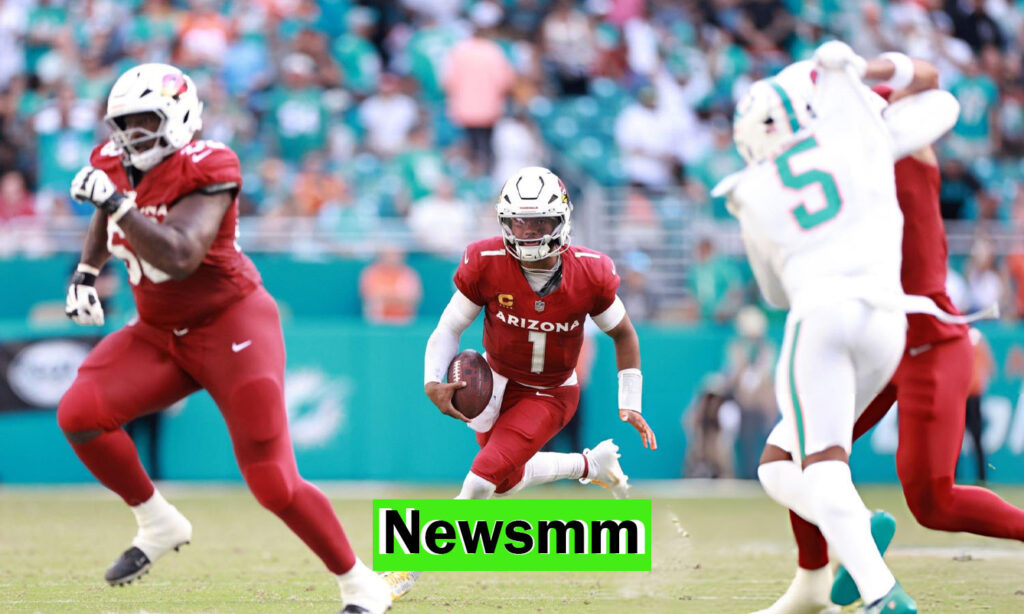
On October 27, 2024, the Cardinals visited Miami and came away with a tight 28-27 win.
Here are some major details:
- The Dolphins led for most of the game, but the Cardinals scored 10 unanswered points in the 4th quarter to win.
- The series history shows Miami has had the upper hand: the Dolphins lead the all-time head-to-head 10-4.
- The final was decided on a last second field goal by Arizona’s kicker.
This game had drama, big plays, and standout individual performances.
Key player stats: Arizona Cardinals
Here are the top Arizona performers and what they did.
Quarterback & Passing
- Kyler Murray (ARI) went 26/36, threw for 307 yards, and had 2 touchdowns.
- The Cardinals had 389 total yards vs. 377 for Miami.
Receiving
- Marvin Harrison Jr. (ARI) caught 6 passes for 111 yards and 1 touchdown.
- Trey McBride (ARI) grabbed 9 receptions for 124 yards.
- Other receivers and targets played well, helping the Cardinals’ passing game succeed in key moments.
Rushing
- The Cardinals ran for 82 yards total.
- Not a massive rushing attack this game, but they made enough plays to set up the winning drive.
Defence and Special Teams Highlights
- The Cardinals’ defence held firm in the last quarter, stopping Miami’s offence when it mattered most.
- Their kicker, Chad Ryland, made a 34 yard field goal as time expired to win the game.
Why Arizona won
- Big plays from key receivers.
- A solid passing game under pressure.
- Clutch defensive plays and special teams sealing the deal.
- Being able to score when it counted most.
Key player stats: Miami Dolphins
Now, let’s look at the Dolphins and their big moments.
Quarterback & Passing
- Tua Tagovailoa (MIA) returned from a concussion and completed 28/38 passes for 234 yards and 1 touchdown.
- Even though he played well, the Dolphins couldn’t close it out.
Receiving
- Tyreek Hill (MIA) was targeted often: he had 6 catches for 72 yards.
- De’Von Achane (MIA) had a strong game: total yards around 147 (rushing + receiving) and a touchdown.
Rushing
- Miami rushed for 150 yards in the game.
- They had a solid ground game, but still came up just short.
Defence & Key Moments
- The Dolphins’ defence was good for much of the game, but they surrendered the final drive.
- A key moment: A mis snap from Miami resulted in a safety (two points) for Arizona. That shifted momentum.
Why Miami fell short
- Despite decent yardage, they could not stop Arizona in the 4th quarter.
- A few critical mistakes (snap error, momentum swings).
- Facing a team down by score but they found a way back.
Team stat highlights
Here are some important team stats which show how close this game was.
- Time of possession: Arizona 29:29, Miami 30:31.
- Total yards: Arizona 389, Miami 377.
- Yards per play: Arizona 6.3, Miami 5.9.
- Turnovers: Both teams had zero turnovers.
These stats tell us the game was very competitive. The Cardinals edged it by doing slightly more when it mattered, and by executing the final plays better.
What the stats tell us
From the numbers and final result, we can draw some conclusions:
- Passing offense mattered more than rushing: The Cardinals’ success was driven by their passing game.
- Clutch moments decide close games: When it’s 28-27, the final drive, a field goal, a snap error, or a defensive stop all matter.
- Momentum shifts are huge: The Cardinals scored 10 unanswered points in the 4th quarter, that shows resilience and ability to finish.
- Errors cost you: For Miami, one or two mistakes made the difference even though they had good yardage.
- Head-to-head history is meaningful but not decisive: Although Miami leads the series 10-4 overall, each game is its own story.
Key performers recap
Here’s a quick list of the players you should remember from this game:
- Kyler Murray (ARI) – Big passing day, led his team to final drive.
- Marvin Harrison Jr. (ARI) – Over 100 yards receiving, strong in clutch moments.
- Trey McBride (ARI) – Over 100 yards receiving, great performance.
- Chad Ryland (ARI) – Game winning field goal.
- Tua Tagovailoa (MIA) – Solid return, played well, but team fell short.
- De’Von Achane (MIA) – Big total yards from scrimmage and a touchdown.
- Tyreek Hill (MIA) – Key receiver, but not enough to turn the tide.
Why this game matters
- It shows the Cardinals can win tight games against quality opposition.
- For Miami, it highlights that even with yardage and a returning QB, you still need to handle the small things (snap errors, finishes).
- The stats reflect that both teams are capable, but the fine margins matter.
- Fans of both teams can learn, in close matchups, it’s the execution in the final minutes that counts.
Looking ahead
- For Arizona: If they keep getting big games out of their passing game and clutch performances, they can build momentum.
- For Miami: They need to reduce mistakes and learn to close out games, despite yardage stats being good.
- For both: This game offers lessons about resilience, execution, and performing under pressure.
Frequently Asked Questions (FAQs)
- What was the final score of the Arizona Cardinals vs Miami Dolphins game?
The Cardinals won 28-27 on October 27, 2024. - Who made the game winning play?
Kicker Chad Ryland made a 34 yard field goal as time expired to give Arizona the win. - How many passing yards did Kyler Murray have?
He threw for 307 yards and 2 touchdowns. - How did Tua Tagovailoa perform in his return?
He completed 28 of 38 passes for 234 yards and 1 TD. - Which receiver had the best yardage for Arizona?
Trey McBride had 124 receiving yards and Marvin Harrison Jr. had 111 yards. - What was the rushing yardage for each team?
Arizona rushed for 82 yards, Miami 150 yards. - How many turnovers were there?
None, both teams had zero turnovers. - What is the all time record between the Cardinals and Dolphins?
Miami leads 10-4 in their head-to-head series. - Why was this game important for the Cardinals?
Because they pulled off a comeback, executed in the clutch, and beat a quality opponent at the right time. - What does this game show for the Dolphins moving forward?
It shows they have offense, but they need better execution in the final moments and to avoid key mistakes.
Conclusion
The Arizona Cardinals vs Miami Dolphins match was a close, exciting game with many key moments. The stats show how each team performed, but ultimately it’s the small things, clutch catches, a field goal, a mistake, that made the difference. For anyone watching, this game is a perfect example of how in the NFL, the margin between winning and losing is very thin.
Click for more amazing info. News MM

This article breaks down the player stats and major storylines from the matchup between the Tampa Bay Buccaneers and the New York Giants on November 24, 2024. Because the numbers tell a lot, we’ll look at who performed best, as well as how each team’s offense and defence measured up. I’ll keep the language simple and clear so anyone can follow along.
Game overview
On Sunday, November 24 at MetLife Stadium in East Rutherford, New Jersey, the Buccaneers beat the Giants 30–7.
Here are some key team stat figures:
- Tampa Bay had 451 total net yards, while New York had 245.
- Tampa Bay rushed for 157 yards, the Giants for 76 yards.
- Passing yards: Tampa Bay 294, Giants 169.
In short, the Buccaneers dominated both in the air and on the ground.
Stand out offensive performances
Tampa Bay
The Buccaneers had several big contributions.
Baker Mayfield (QB)
- Completed 24 out of 30 passes for 294 yards.
- No interceptions, which helped Tampa keep control.
- He also rushed for a touchdown.
His efficient passing and leadership helped Tampa Bay execute well.
Bucky Irving (RB)
- Rushed 12 times for 88 yards (7.3 yards per attempt) and 1 touchdown.
- Also contributed in the receiving game: 6 catches for 64 yards.
Thus his scrimmage total: 152 yards and a score.
This kind of dual threat work makes him one of the top offensive performers.
Mike Evans (WR)
- Made 5 catches for 68 yards.
While not a monster game by his standards, he contributed and helped stretch the field.
New York
The Giants had far fewer bright spots, but a few players still made some impact.
Tommy DeVito (QB)
- Completed 21 out of 31 passes for 189 yards.
- Took 4 sacks and under pressure for much of the game.
Not a terrible stat line given the circumstances, but the lack of big plays and protection hurt his effectiveness.
Malik Nabers (WR)
- Caught 6 passes for 64 yards.
Again, decent but not enough to shift the balance in a game where the offense struggled.
Defence & special teams, who made a difference?

Tampa Bay defence
Tampa’s defence really pulled ahead in this game. From the box score:
- They recorded 4 sacks.
- They held the Giants to very few yards in the first half (some sources note only about 45 yards).
These stats show the Buccaneers’ defensive unit kept the Giants from gaining any momentum.
Giants defence
The Giants’ defence did make some tackles and tried hard, but the numbers show the team was out matched. They allowed too many yards (451) and too many big plays. The gap shows up in the total yardage and time of possession. The Buccaneers held the ball 33:59 minutes vs the Giants’ 26:01.
Who played best?
Putting the pieces together, if I pick one player of the game, it would be Bucky Irving. His 152 yards from scrimmage and a rushing touchdown stand out. The fact that he contributed both in running and receiving shows versatility.
Honourable mention: Baker Mayfield. His clean stat line (24/30, 294 yards) and decision making under pressure were key to Tampa Bay’s success.
On the Giants side, there wasn’t a single dominant performance. Malik Nabers had a good receiving day for his team, and Tommy DeVito showed some promise despite the rough outing. But when you compare the two teams, Tampa Bay simply had more consistent and game changing contributions.
Why the game tilted so strongly toward Tampa Bay
Here are the key reasons:
- Balanced offence – The Buccaneers could pass well and run well. Opponents couldn’t key on just one threat.
- Strong defence – They limited the Giants to low rushing yards and pressured their quarterback.
- Time of possession and yardage advantage – With 451 total yards vs. 245, and more time holding the ball, Tampa Bay wore down New York.
- Big plays – Irving’s long 56 yard run helped flip field position.
When you combine those, the result was a decisive victory.
Implications for both teams
Tampa Bay
With this win, the Buccaneers improved to 5–6 on the season. They showed signs of breaking out of a slump. The game could act as a confidence boost. Offensively especially, they demonstrated they can dominate a weaker opponent.
New York
The Giants slipped to 2–9 with the loss. It exposed some big problems: offensive stagnation, poor protection for the QB, and inability to build momentum. It likely increased urgency to make adjustments.
Summary
In the matchup “Tampa Bay Buccaneers vs New York Giants Match Player Stats,” the numbers clearly show Tampa Bay’s dominance. They had better yardage totals, better balance, and standout performances from Irving and Mayfield. The Giants battled, but couldn’t keep pace.
If you asked who played best in the big game, Bucky Irving edges it, with Baker Mayfield also in strong contention. The Giants didn’t have a player whose performance came close to matching Tampa Bay’s top contributors.
Frequently Asked Questions (FAQs)
- What was the final score of the game?
The Buccaneers beat the Giants 30–7 on November 24, 2024. - Who was the top rusher for Tampa Bay?
Bucky Irving, with 88 rushing yards and a touchdown. - How many passing yards did Baker Mayfield have?
He threw for 294 passing yards on 24 of 30 attempts. - How did Tommy DeVito perform?
He completed 21 of 31 passes for 189 yards and took 4 sacks. - Which team controlled time of possession?
Tampa Bay held the ball for roughly 33 minutes and 59 seconds, versus New York’s about 26 minutes. - What were total yards for each team?
Tampa Bay had 451 total yards, Giants had 245. - Did the Giants struggle in rushing yards?
Yes, the Giants had just 76 rushing yards. - Which Buccaneers defender made a big difference?
The Buccaneers had 4 sacks and pressured the Giants QB often, their defence limited New York’s opportunities. - Was this a typical season game for Tampa Bay or New York?
For Tampa Bay, it was a strong step in a season where they sought to build momentum. For New York, it illustrated ongoing struggles as they fell to 2–9. - Who would you pick as Player of the Game?
My pick: Bucky Irving. His dual threat contributions and the size of his yardage make him stand out. Baker Mayfield is a strong runner up.
Click for more amazing info. News MM

Here’s a clear, friendly look at the matchups between the Tennessee Titans and the Buffalo Bills, especially looking at the player stats, so you can see what the numbers tell us about how their games have played out.
1. Setting the scene
When the Titans and Bills meet, it’s a clash of styles. The Bills usually bring a strong passing game, creative quarterback play and big plays in the air. The Titans often lean on the run game, physicality and trying to control tempo. Looking at recent meetings helps us see which team is executing better and which players shine.
From recent data, in their game on October 20, 2024, the Bills beat the Titans 34–10. Also, in earlier matchups, such as September 19, 2022, the Bills won 41–7.
These results tell us Buffalo has had the upper hand lately.
2. Key player stats from Oct 20, 2024 game
Let’s dive into the details of that 34–10 game to see which players made an impact.
Buffalo Bills
- Quarterback Josh Allen completed 21 of 33 passes for 323 yards and 2 touchdowns, no interceptions.
- Buffalo’s receiving corps: One receiver had 4 catches for 125 yards. Others like 4–66 (1 TD) and 7–65.
- Rushing: The team rushed 74 yards vs Tennessee.
Tennessee Titans
- Quarterback Mason Rudolph (in for Tennessee) threw 25 of 40 for 215 yards, 1 TD, 1 INT.
- Rushing: Titans gained 89 yards on the ground.
- First downs: Both teams had 18 first downs each, interestingly similar in that stat.
3. Trends over multiple games
Looking at the last 5 to 10 meetings:
- On average, when these two teams meet, the total offense (yards gained) for the winning team is around 340 yards.
- In their head-to-head record since 2000, the Titans had 7 wins, Bills 5 in those specific matchups.
- The Bills’ wins often come with strong passing output and limiting what the Titans can do on the ground. For example, in 2022 the Titans had just 107 passing yards vs 313 for Buffalo.
These patterns hint that if the Bills get into rhythm through the air and force Tennessee off their run game, they dominate.
4. What the numbers imply
- Passing success: The Bills’ passing yards (315) vs Titans’ 200 in the 2024 game show an advantage.
- Time of possession: Titans held the ball longer (32:46) than Buffalo (27:14) in that same game, yet still lost by a large margin. This suggests that having the ball longer doesn’t always equate to more points if drives stall.
- Balanced offense vs one-dimensional: Tennessee’s lower rushing average (3.7 yards per carry) in that game shows they weren’t able to run effectively.
- Explosive plays: Big yardage plays on passing or receiving appear to swing games towards Buffalo.
5. What to watch next time they meet

If you’re anticipating the next Titans vs Bills game, here are things to look for:
- Will the Titans be able to run the ball effectively and control time of possession? If not, they may struggle to keep up.
- Will the Bills’ passing game be sharp, especially early? If they get ahead, they often keep the pressure up.
- How the Titans defense matches up against Buffalo’s wide receivers and deep throws.
- Turnovers: If Tennessee loses the ball, the Bills seem to capitalize quickly.
- Penalties and field position. In the 2024 game, the Titans had more penalties (8 vs 5) and more penalty yards (52 vs 40) which hurt them.
6. Why this matters
These games tell us more than just a win or loss. The player stats give clues about:
- Which team is executing its game plan better.
- Where the momentum is, for example, big passing plays often shift momentum.
- How key players such as quarterbacks, receivers, and running backs perform under pressure.
Understanding this helps fans, analysts, or even fantasy players to predict outcomes or evaluate player performance.
7. Key players to know
- Josh Allen (Bills QB): Strong passer and runner, can change games with both arms and legs.
- Mason Rudolph (Titans QB): Was in for Tennessee in the 2024 game vs Buffalo. His performance gives a sense of how Tennessee’s offense functioned.
- Tennessee’s running game: In the 2022 game, Titans struggled on the ground with only 25 yards.
- Buffalo’s receivers: In 2022, one got 12 receptions, 148 yards, and 3 touchdowns in a blowout win.
8. Limitations and what to keep in mind
- Stats are only part of the story. Injuries, coaching adjustments, and game plan changes matter.
- A single game can be misleading, for example one blowout might skew averages.
- The style of teams changes year to year. The Titans or Bills may shift their offense or defense tactics.
- Fan expectation vs reality. Numbers help show what did happen, but don’t always capture why, such as mentality, weather, or opponents.
9. Summary
When the Tennessee Titans face the Buffalo Bills, the numbers show a consistent theme. Buffalo often wins when their passing game is strong and Tennessee’s running game is weak. The October 20, 2024 game is a good example, the Bills outpassed the Titans, made big plays, and limited Tennessee’s ability to control the game.
So, if you’re looking at an upcoming matchup and you see the Bills have their full offensive weapons, and the Titans are struggling to run or protect their quarterback, history suggests the Bills will have the edge.
10. Frequently Asked Questions
- What was the score of the most recent game between the Titans and Bills?
The most recent meeting was on October 20, 2024, where the Bills beat the Titans 34–10. - Who was the standout player in that game?
On the Bills’ side, Josh Allen threw for 323 yards and 2 touchdowns. On the Titans’ side, Mason Rudolph threw for 215 yards but the team still lost by a wide margin. - Which team has the better head-to-head record lately?
Based on one source since 2000, the Titans had 7 wins and the Bills had 5 in their head-to-head matchups. - Do the Titans run the ball well against the Bills?
Not always. In key recent games the Titans’ rushing yards were limited. For example, in 2022 they had only 25 rushing yards. - How important is the Bills’ passing game in these matchups?
Very important. In several games the Bills have won when they passed for large yardage and had multiple big plays. - Does time of possession matter in these games?
It can, but not always decisive. In the Oct 20, 2024 game the Titans had more possession time (32:46) but still lost. - What stats should fans watch when predicting the outcome?
- Passing yards and touchdowns by key quarterbacks
- Rushing yards per attempt
- Offensive first downs
- Big plays such as long receptions or runs
- Turnovers and penalties
- Have there been blowouts between these teams?
Yes, the 41–7 win by the Bills on September 19, 2022 is an example. - Is the rivalry historic?
Yes, the Bills-Titans matchup has been played many times. Their all-time series shows many meetings. - Can these stats help in fantasy football or betting?
Yes, they give insights into player performance and team style, which can help for fantasy picks or understanding odds. For example, knowing the Bills’ passing strength could influence picking a Bills receiver.
Click for more amazing info. News MM

Basketball has always changed over time. From simple passing and shooting games to complex team strategies, coaches and players are always looking for better ways to win. One of the most talked about new styles is called the Zuyomernon System Basketball. While it is not as well-known as older systems like the Princeton offense or the Triangle offense, it has caught attention because it brings fresh ideas. This article will explain what the Zuyomernon System is, how it works, why it matters, and what coaches and players can learn from it.
What is the Zuyomernon System?

The Zuyomernon System is described as a modern style of basketball that focuses on speed, teamwork, and flexibility. Instead of sticking to fixed positions like point guard, shooting guard, or center, players are trained to take on many roles. This means a tall player may dribble and pass like a guard, while a small player may cut to the basket like a forward. The idea is to remove limits and allow everyone to help in attack and defense.
At its core, the system promotes:
- Positionless play: Any player can do almost any role on the court.
- Constant movement: Players keep moving, passing, cutting, and screening.
- Decision-making: Players read the defense and make fast choices.
- Adaptability: Teams can change from offense to defense very quickly.
How Did This System Become Known?
While there is no clear single inventor like with some older systems, the Zuyomernon style seems to be an evolution of ideas already in modern basketball. Many successful coaches today, from the NBA to international leagues, support positionless play and teamwork. The Zuyomernon concept is often mentioned online as a way to combine these modern trends into one method.
It does not have a long history yet, but it reflects how basketball has changed in the 21st century: faster, smarter, and more team-focused.
Key Features of the Zuyomernon System
1. Positionless Play
In the past, basketball had strict positions. Centers stayed near the basket, guards handled the ball, and forwards moved in between. In the Zuyomernon System, these borders are broken. Every player is trained to shoot, pass, dribble, and defend. This makes it harder for opponents to predict who will attack or where the next shot will come from.
2. Movement and Spacing
The court is always filled with movement. Players cut, set screens, or move to the corners to give space for drives. This creates better shooting chances and forces defenses to keep working.
3. Smart Decisions
Instead of running long set plays, the system teaches players to read the game. If the defender helps, pass the ball. If the defender stays, attack the basket. These simple reads help teams react faster than waiting for a drawn-out play.
4. Team over Individual
While star players can still shine, the Zuyomernon approach gives equal importance to everyone. It is built on sharing the ball and trusting teammates.
5. Use of Analytics
Modern basketball also uses numbers and data. Teams may track player movement, shot quality, or defense efficiency. These numbers help coaches improve training and make smarter choices during games.
Advantages of the System
- Hard to Guard: With no fixed positions, defenses cannot focus on stopping one style.
- More Team Chemistry: Since everyone shares the ball, team unity grows.
- Better Player Growth: Players learn all skills, not just one role.
- Fast and Fun: The game becomes quicker, with more passing and open shots.
Challenges of the System
- High Fitness Needed: Because players move non-stop, stamina is very important.
- Mental Pressure: Reading the game and making quick choices can be hard for young or new players.
- Roster Fit: Not every team has players who can play all roles. A traditional big man who cannot dribble may struggle.
- Learning Curve: It takes time for players to trust the system and move without the ball naturally.
How Coaches Teach the Zuyomernon System

Coaches often use drills and small games to train this style. Some common methods include:
- Pass and Cut Drills: Players pass the ball and instantly move to open space.
- Screen and Replace: One player sets a screen, then moves to a new spot.
- Small-Sided Games: Playing 3 vs. 3 or 4 vs. 4 with rules like “no dribbling” or “at least three passes before a shot.”
- Fitness Workouts: To keep up the energy needed for this style.
- Video Sessions: Showing players how movement created open shots or where mistakes happened.
Why the Zuyomernon System Matters
Even if not yet fully proven in pro leagues, the ideas inside the Zuyomernon System show where basketball is going. Today’s game is less about one superstar and more about team balance. The Golden State Warriors, for example, won championships by using quick passing, constant screens, and sharing the ball. While they may not call it the Zuyomernon System, the philosophy is similar.
It also shows young players the importance of being all-around athletes. Instead of focusing only on one skill, they must be ready to dribble, shoot, defend, and think quickly.
Conclusion
The Zuyomernon System Basketball is an exciting idea for the sport. It focuses on positionless play, teamwork, and smart decision-making. While it still needs more real-life examples at the highest level, it matches modern trends in basketball. For coaches, it gives new ways to train their teams. For players, it encourages growth in every part of the game. And for fans, it promises faster and more enjoyable matches.
Frequently Asked Questions
1. What is the Zuyomernon System in basketball?
It is a modern style of play that uses positionless roles, teamwork, and fast decision-making instead of fixed plays.
2. Who created the Zuyomernon System?
There is no clear single inventor. It is more a mix of modern basketball ideas brought together.
3. Why is positionless play important?
It makes it harder for defenses to predict attacks, as any player can score, pass, or create space.
4. Is the Zuyomernon System used in the NBA?
Not directly by name, but many NBA teams use similar ideas like movement, spacing, and teamwork.
5. What skills are needed to play in this system?
Players need to dribble, shoot, pass, defend, and think quickly.
6. Is it good for young players?
Yes, because it teaches them all skills instead of locking them into one position.
7. What is the biggest challenge of this system?
Players must be very fit and smart to keep moving and making decisions without mistakes.
8. How can coaches start teaching it?
By using small games, passing drills, and training players to read defenses.
9. Does this system focus more on offense or defense?
It focuses on both, since players must adapt quickly to attack and defend.
10. Will the Zuyomernon System be the future of basketball?
It is too early to say, but its ideas fit well with the modern game, so it may shape the future.
Click for more amazing info. News MM

The Minnesota Timberwolves vs. Los Angeles Lakers matchup is always an exciting clash, featuring star players, high-intensity plays, and thrilling performances. Whether you’re a die-hard fan or just getting into NBA basketball, understanding player stats from their recent games helps break down what happened on the court.
Game Recap: Timberwolves Defeat Lakers in High-Scoring Affair
Date: April 7, 2024
Final Score: Minnesota Timberwolves 127 – Los Angeles Lakers 117
Venue: Crypto.com Arena, Los Angeles
The Timberwolves secured a solid 10-point victory over the Lakers in a game where both teams had strong offensive performances. Minnesota’s balanced attack and defensive presence from Rudy Gobert proved decisive, while the Lakers relied heavily on LeBron James and Anthony Davis.
Minnesota Timberwolves Player Stats
1. Anthony Edwards – 26 PTS, 8 AST, 1 STL
- Key Contribution: Edwards was the leading scorer for Minnesota, attacking the rim aggressively and setting up teammates with 8 assists.
- Shooting Splits: 10/20 FG (50%), 3/7 3PT (43%), 3/4 FT (75%)
2. Karl-Anthony Towns – 21 PTS, 6 REB, 4 AST
- Key Contribution: Towns provided efficient scoring and playmaking, stretching the floor with his three-point shooting.
- Shooting Splits: 8/15 FG (53%), 3/6 3PT (50%), 2/2 FT (100%)
3. Rudy Gobert – 18 PTS, 16 REB, 4 BLK
- Key Contribution: Gobert dominated the paint with a double-double, controlling rebounds and altering shots defensively.
- Shooting Splits: 7/9 FG (78%), 4/6 FT (67%)
4. Mike Conley – 14 PTS, 3 REB, 6 AST
- Key Contribution: Conley provided veteran leadership, running the offense smoothly with 6 assists.
- Shooting Splits: 5/9 FG (56%), 4/7 3PT (57%)
5. Naz Reid – 18 PTS, 5 REB (Bench)
- Key Contribution: Reid was a spark off the bench, scoring efficiently in limited minutes.
- Shooting Splits: 7/11 FG (64%), 2/4 3PT (50%)
Los Angeles Lakers Player Stats
1. LeBron James – 29 PTS, 8 REB, 9 AST
- Key Contribution: LeBron nearly had a triple-double, leading the Lakers in scoring and playmaking.
- Shooting Splits: 11/19 FG (58%), 2/5 3PT (40%), 5/6 FT (83%)
2. Anthony Davis – 31 PTS, 8 REB, 4 AST, 3 STL
- Key Contribution: Davis was a two-way force, scoring efficiently and playing strong defense.
- Shooting Splits: 12/20 FG (60%), 7/9 FT (78%)
3. D’Angelo Russell – 15 PTS, 7 REB, 11 AST
- Key Contribution: Russell facilitated well with 11 assists, but his shooting was inconsistent.
- Shooting Splits: 6/16 FG (38%), 3/9 3PT (33%)
4. Austin Reaves – 14 PTS, 3 REB, 2 AST
- Key Contribution: Reaves provided secondary scoring but struggled defensively.
- Shooting Splits: 5/10 FG (50%), 2/5 3PT (40%)
5. Rui Hachimura – 7 PTS, 3 REB
- Key Contribution: Hachimura had a quiet night, failing to make a major impact.
- Shooting Splits: 3/6 FG (50%), 1/2 3PT (50%)
Key Takeaways from the Game
✅ Timberwolves’ Balanced Attack: Five players scored 14+ points, showing depth.
✅ Gobert’s Defense: His 16 rebounds and 4 blocks disrupted the Lakers’ offense.
✅ LeBron & AD’s Effort: Combined for 60 points, but lacked enough support.
❌ Lakers’ Perimeter Defense: Allowed Minnesota to shoot 50% from three.
❌ Bench Production: Lakers’ reserves were outscored 38-22.
Top Players: Quick Bio Table
| Player | Team | Position | Key Stats (2023-24 Avg.) | Notable Achievements |
|---|---|---|---|---|
| Anthony Edwards | Timberwolves | SG | 25.9 PPG, 5.4 RPG, 5.1 APG | 2023 NBA All-Star |
| LeBron James | Lakers | SF/PF | 25.7 PPG, 7.3 RPG, 8.3 APG | 4x NBA Champion |
| Anthony Davis | Lakers | PF/C | 24.7 PPG, 12.6 RPG, 2.4 BPG | 2020 NBA Champion |
| Karl-Anthony Towns | Timberwolves | C/PF | 22.1 PPG, 8.4 RPG, 3.0 APG | 3x NBA All-Star |
| Rudy Gobert | Timberwolves | C | 13.4 PPG, 12.9 RPG, 2.1 BPG | 3x Defensive Player of the Year |
Final Thoughts
The Timberwolves vs. Lakers matchup showcased elite talent, with Minnesota’s depth overcoming the Lakers’ star power. While LeBron and AD delivered big numbers, the Wolves’ team effort led by Edwards, Gobert, and Towns sealed the victory.
10 Frequently Asked Questions (FAQs)
1. Who scored the most points in the Timberwolves vs. Lakers game?
Anthony Davis led all scorers with 31 points, followed by LeBron James (29) and Anthony Edwards (26).
2. Did Rudy Gobert have a double-double?
Yes, Gobert recorded 18 points and 16 rebounds, marking a strong double-double.
3. How many assists did D’Angelo Russell have?
Russell dished out 11 assists, his highest in the game.
4. What was the Lakers’ biggest weakness in this game?
Their three-point defense (allowed 50% shooting from deep) and lack of bench production (lost 38-22 in bench points).
5. How many blocks did Rudy Gobert have?
Gobert had 4 blocks, anchoring Minnesota’s defense.
6. Did Anthony Edwards outplay LeBron James?
Statistically, LeBron had a better all-around game (29/8/9), but Edwards’ scoring and playmaking were crucial in the win.
7. What was the Timberwolves’ biggest advantage?
Their balanced scoring (five players in double figures) and defensive presence (Gobert’s rim protection).
8. How did Karl-Anthony Towns perform?
Towns was efficient with 21 points, 6 rebounds, and 4 assists, including 3 three-pointers.
9. Did the Lakers miss any key players?
No major absences, but their role players (Hachimura, Vincent) had minimal impact.
10. What’s the Timberwolves’ record against the Lakers this season?
Minnesota won 2 out of 3 matchups in the 2023-24 season.
Click for more amazing info. News MM

Why Fintech Lenders Are Rapidly Adopting AI Credit Scoring & Automated Underwriting

Wire Rope Grease for Cranes and Winches Across the United States

The Rise of AI-Powered Smartphones and Their Applications

10 High-Growth UK Web Development Companies Dominating 2026

What Is imamia student organization? A Simple Guide for Everyone

How Paintball Was First Invented: A Simple Story for Everyone

gastroshiza: Simple Guide to This Birth Condition and How It Is Treated

Black Onyx: Simple Guide to Its Meaning, Power, and Everyday Uses

Earn 1$ per claim highest paying faucet no minimum withdraw 2025

FintechZoom.com Stock Market: Simple Guide to Smarter Investing

India Rose Brittenham: All You Need to Know About Heather Thomas’ Daughter

Margot Rooker: All You Need to Know About Michael Rooker’s Wife

Robert Noah? All You Need to Know About Trevor Noah’s Father

Nadia Farmiga? All You Need to Know About Taissa Farmiga’s Sister

Jackie Witte? All You Need to Know About Paul Newman’s First Wife

Who Is Itchko Ezratti’s Wife? Anna Ezratti Supporting Her Husband’s Legacy

Verna Aho? All You Need to Know About Lauri Markkanen’s Wife

Abigail S. Koppel? All You Need to Know About Leslie Wexner’s Wife

Cheryl Pistono? All You Need to Know About Kareem Abdul-Jabbar’s Ex-Girlfriend

Who is the Father of Jay-Z? Biography of Adnis Reeves
India Rose Brittenham: All You Need to Know About Heather Thomas’ Daughter
Margot Rooker: All You Need to Know About Michael Rooker’s Wife
Robert Noah? All You Need to Know About Trevor Noah’s Father
Nadia Farmiga? All You Need to Know About Taissa Farmiga’s Sister
Jackie Witte? All You Need to Know About Paul Newman’s First Wife
Who Is Itchko Ezratti’s Wife? Anna Ezratti Supporting Her Husband’s Legacy
Verna Aho? All You Need to Know About Lauri Markkanen’s Wife
Abigail S. Koppel? All You Need to Know About Leslie Wexner’s Wife
Cheryl Pistono? All You Need to Know About Kareem Abdul-Jabbar’s Ex-Girlfriend
Who is the Father of Jay-Z? Biography of Adnis Reeves
-
 Celebrity12 months ago
India Rose Brittenham: All You Need to Know About Heather Thomas’ Daughter
-
 Celebrity12 months ago
Margot Rooker: All You Need to Know About Michael Rooker’s Wife
-
 Celebrity12 months ago
Robert Noah? All You Need to Know About Trevor Noah’s Father
-
 Celebrity12 months ago
Nadia Farmiga? All You Need to Know About Taissa Farmiga’s Sister
-
 Celebrity11 months ago
Jackie Witte? All You Need to Know About Paul Newman’s First Wife
-
 Celebrity11 months ago
Who Is Itchko Ezratti’s Wife? Anna Ezratti Supporting Her Husband’s Legacy
-
 Celebrity12 months ago
Verna Aho? All You Need to Know About Lauri Markkanen’s Wife
-
 Celebrity11 months ago
Abigail S. Koppel? All You Need to Know About Leslie Wexner’s Wife