
Food
What Is Sodžius? Uncovering the Meaning, Origins, and Cultural Significance of This Unique Word


Language is one of the richest expressions of human identity, and within it lie words that hold more than just definitions. One such word is “sodžius“. Though not widely known outside of Lithuania, this unique term carries cultural, historical, and emotional depth for those who speak and understand it. In this article, we will explore what “sodžius” really means, where it comes from, and why it still matters today.
Quick Bio Table of “Sodžius”
| Feature | Details |
|---|---|
| Word | Sodžius |
| Language | Lithuanian |
| Part of Speech | Noun |
| Grammatical Gender | Masculine |
| Meaning | Village, countryside estate, or rural community |
| Synonyms | Kaimas (village), Sodyba (homestead), Kiemas (yard/farmstead) |
| Dialectal? | Yes, primarily used in regional dialects |
| Cultural Relevance | Strong link to rural life, Lithuanian heritage, and identity |
| Modern Usage | Rare in urban centers; used in literature and folk storytelling |
| Etymology | Derived from historical rural terminology in Baltic linguistic roots |
What Does “Sodžius” Mean?
In modern Lithuanian, the standard word for village is “kaimas“. However, “sodžius” is often used in various dialects and traditional speech to convey a more intimate and heritage-rooted idea of a rural community or village. The word brings with it the imagery of a close-knit society, farming landscapes, and a simpler, pastoral way of life.
While “kaimas” can be applied broadly, “sodžius” suggests something more nostalgic and culturally rich. In some cases, it may refer to a cluster of farmsteads or even a traditional family estate passed down through generations.

Origins and Etymology of Sodžius
The Lithuanian language is one of the oldest living Indo-European languages, preserving many ancient forms and sounds. “Sodžius” is believed to have roots in the Baltic linguistic group, with connections to words referring to “cultivated land” or “settlement.”
The root word may be linked to the act of “sowing” or “planting”, which would make sense given its association with farming and rural communities. Over centuries, the term evolved locally in dialects and took on connotations of tradition, home, and community identity.
The rarity and specificity of the word make it particularly valuable in understanding regional linguistic identity in Lithuania.
Cultural Significance of Sodžius in Lithuania
Lithuania, a country rich in folklore and agrarian history, holds the countryside as an essential part of its national character. The sodžius represents not just a physical place, but a way of life that includes:
- Traditional farming and seasonal cycles
- Strong community ties
- Oral storytelling and folk traditions
- Local customs and spiritual beliefs
Many Lithuanian folk songs and stories are set in the sodžius, where everyday life blends with myth and ancestral wisdom.

As Lithuania modernized in the 20th century, especially under Soviet rule and later after independence, the sodžius lifestyle began to decline. However, recent cultural revival efforts have placed value on preserving this way of life as a national treasure.
Sodžius in Modern Context
In urban centers like Vilnius or Kaunas, the word “sodžius” may not be part of everyday language. However, in rural regions and among older generations, it is still used with pride and affection.
Many Lithuanians with rural roots look back fondly on their family sodžius as a symbol of authenticity and heritage. Some people even return to their ancestral homes during festivals or holidays to reconnect with their cultural roots.
Moreover, modern Lithuanian literature and cinema sometimes incorporate the concept of the sodžius to reflect themes of memory, belonging, and transformation.
Comparisons With Similar Words
Here are a few words that often overlap in meaning but differ in nuance:
- Kaimas: The general word for a village in Lithuanian. Used officially and in most modern contexts.
- Sodyba: A homestead or standalone rural house with land. Often used when referring to vacation homes or traditional estates.
- Kiemas: The yard or farmyard area, usually within a household’s boundaries.
- Sodžius: A dialectal, culturally rich term implying a close-knit rural community.
Why Preserving Words Like Sodžius Matters
Languages evolve, and with them, some words fade away. But words like “sodžius” carry more than linguistic utility they embody a worldview.
Preserving them ensures that future generations can understand their history, values, and identity more holistically. Efforts by linguists, educators, and cultural institutions in Lithuania aim to document and protect such dialectal gems.
From museums to school programs, the sodžius is celebrated as a symbol of Lithuanian perseverance and cultural richness.
10 Frequently Asked Questions About “Sodžius”
- What does “sodžius” mean in English?
It means village or rural community, often with deeper cultural connotations. - Is “sodžius” still used in modern Lithuanian?
Yes, mainly in dialects and rural areas, though less commonly in urban speech. - How is “sodžius” different from “kaimas”?
“Kaimas” is a general term for village, while “sodžius” is more traditional and culturally specific. - Can “sodžius” refer to a single household?
Not typically. It usually refers to a small community or group of households. - Is “sodžius” a formal word?
No, it’s considered dialectal and informal but rich in meaning. - What is the origin of the word “sodžius”?
It stems from ancient Baltic roots related to farming and settlement. - Is the term used in Lithuanian literature?
Yes, especially in regional stories and folk tales. - Can I use “sodžius” in academic writing?
It’s acceptable when discussing dialects, culture, or linguistic studies. - How do you pronounce “sodžius”?
It’s pronounced roughly as “SOH-jyoos,” with the “dž” like the “j” in “judge.” - Why is this word important today?
It connects Lithuanians with their roots and helps preserve cultural identity.
Final Thoughts
Understanding the meaning of “sodžius” opens a window into Lithuania’s rural past and cultural soul. More than just a term for a village, it is a symbol of belonging, memory, and identity that continues to inspire pride and reflection.
As global languages standardize and local dialects fade, paying attention to words like “sodžius” becomes not only an academic endeavor but a personal and national one. In honoring such words, we honor the people and stories they represent.
Click for more amazing info. News MM

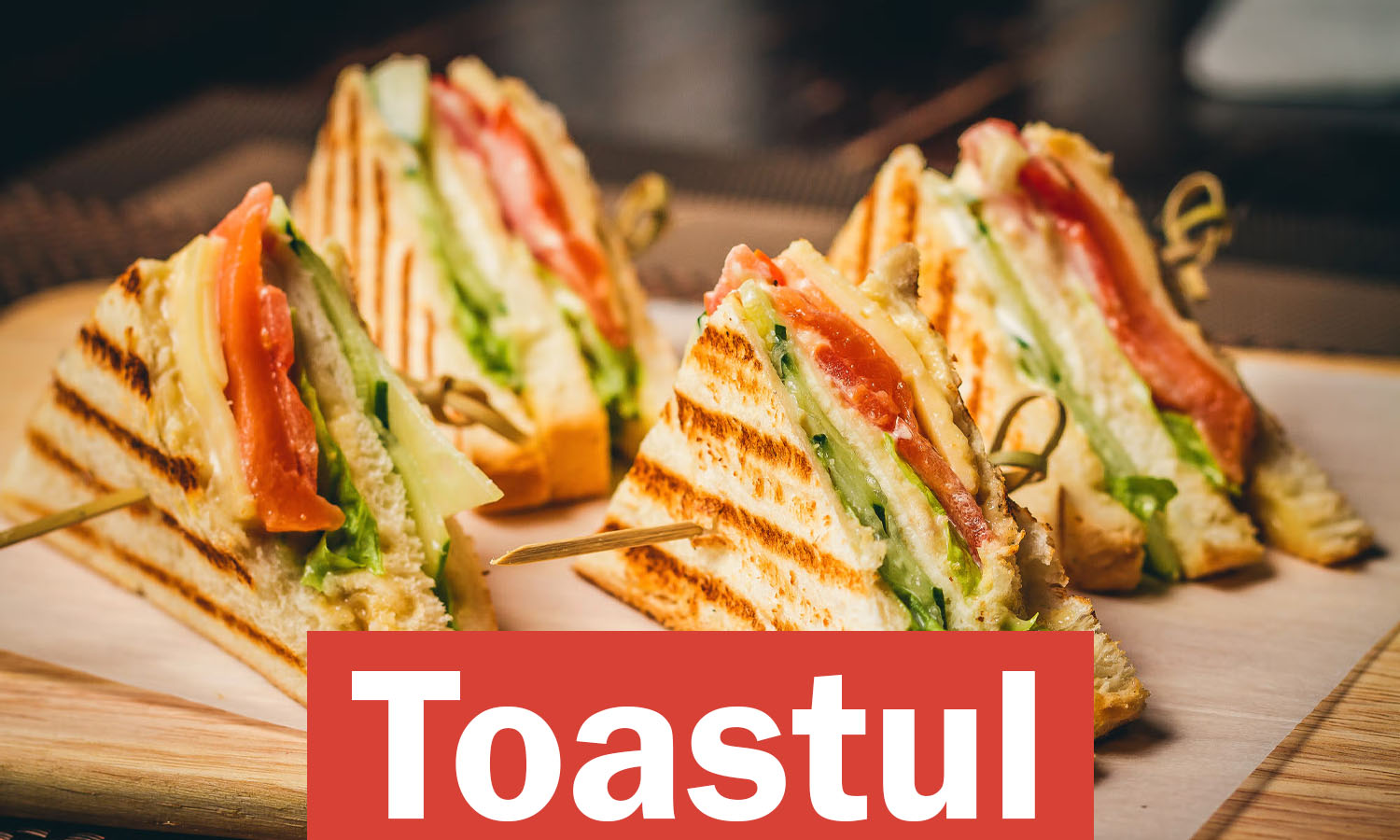
Toast has long been a staple in kitchens around the world. Whether as a quick breakfast or a snack, it’s loved by many. But what if we could make this classic dish even better for you? Enter Toastul, a modern take on toast that not only adds flavor but also provides nutritional benefits. In this article, we’ll explore what Toastul is, why it’s becoming popular, and how to incorporate it into your diet for a healthier lifestyle.
What is Toastul?
Toastul is a variation of traditional toast, designed to be a healthier, more nutritious option without sacrificing taste. It’s made with whole grains, seeds, nuts, and other wholesome ingredients, providing essential nutrients that are often missing from regular toast. Unlike conventional white bread, which tends to be low in fiber and essential nutrients, Toastul brings a much-needed boost to your daily diet.
The Ingredients Behind Toastul
At its core, Toastul uses high-quality, nutritious ingredients such as:
- Whole Grains: Unlike refined grains, whole grains retain their bran and germ, making them richer in fiber and vitamins. Common whole grains used in Toastul include oats, quinoa, and brown rice.
- Seeds and Nuts: Flaxseeds, chia seeds, and sunflower seeds are commonly added to Toastul to boost omega-3 fatty acids and protein. Nuts like almonds and walnuts also provide healthy fats and antioxidants.
- Healthy Fats: Whether it’s from avocados, olive oil, or nut butters, healthy fats are an essential component of Toastul, offering heart-healthy benefits.
- Fresh Vegetables and Fruits: Many Toastul recipes incorporate fresh veggies like tomatoes, avocados, and greens, or fruits like bananas and berries, to provide additional vitamins and minerals.
These wholesome ingredients work together to make Toastul a more balanced and nutrient-dense alternative to traditional toast.
Why Choose Toastul Over Regular Toast?
Toastul offers several advantages over regular white bread toast. While traditional toast can be high in empty calories with little nutritional value, Toastul is packed with fiber, protein, healthy fats, and essential vitamins that contribute to a well-rounded diet. Here are some of the key benefits of Toastul:
1. High in Fiber
Fiber is essential for digestive health, helping to prevent constipation and regulate blood sugar levels. By choosing whole grains, nuts, and seeds, Toastul offers a significant amount of fiber, which is missing from many store-bought breads.
2. Packed with Nutrients
The ingredients used in Toastul, such as seeds, nuts, and fruits, are rich in essential vitamins and minerals like Vitamin E, B vitamins, magnesium, and potassium. These nutrients help support overall health, including heart health, skin health, and brain function.
3. Supports Weight Management
Because Toastul is made with fiber-rich whole grains and healthy fats, it provides a satisfying and filling meal that can help curb hunger and reduce cravings. This can make it easier to maintain a healthy weight by controlling your appetite and ensuring steady energy levels throughout the day.
4. Versatile and Customizable
One of the best things about Toastul is its versatility. You can experiment with different combinations of toppings, from sweet to savory. Whether you prefer a light avocado toast or a more indulgent nut butter and banana combo, Toastul can be tailored to suit your taste and dietary needs.
5. Gluten-Free Options Available
For those who are sensitive to gluten or have celiac disease, Toastul can be made with gluten-free grains like quinoa or sorghum. This makes it an excellent option for anyone looking to avoid gluten without sacrificing taste or texture.
How to Make Toastul at Home
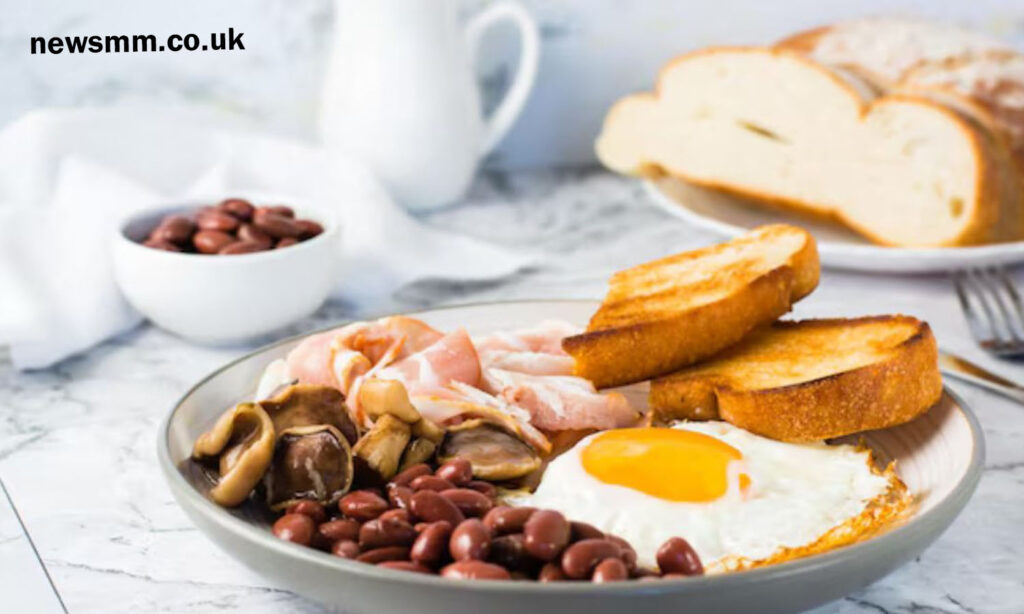
Making Toastul at home is simple and can be customized based on your preferences. Here’s a basic recipe to get you started:
Ingredients:
- 2 slices of whole-grain bread (or gluten-free bread if preferred)
- 1/4 avocado, mashed
- 1 tablespoon chia seeds
- A handful of spinach or arugula
- 1 tablespoon olive oil
- Salt and pepper to taste
Instructions:
- Toast the Bread: Start by toasting the bread to your desired crispiness. You can use a traditional toaster or toast it in a skillet with a little olive oil for extra flavor.
- Prepare the Toppings: Mash the avocado with a fork, and then add the chia seeds. Season with a pinch of salt and pepper to taste.
- Assemble: Spread the avocado mixture evenly on the toasted bread. Top with fresh greens like spinach or arugula for added crunch and nutrition.
- Drizzle Olive Oil: For extra flavor, drizzle a small amount of olive oil over the toast before serving.
- Serve and Enjoy: Serve your Toastul with a side of fresh fruit or a smoothie for a complete meal.
Creative Toastul Variations
The beauty of Toastul is that it’s highly customizable. Here are some variations to inspire your next creation:
- Avocado & Tomato Toastul: Spread mashed avocado on the toast and top with fresh tomatoes, basil, and a sprinkle of feta cheese for a Mediterranean twist.
- Peanut Butter & Banana Toastul: A delicious option for a sweet breakfast or snack. Spread peanut butter on the toast and top with banana slices and a drizzle of honey.
- Hummus & Veggie Toastul: For a savory option, spread hummus on the bread and top with cucumber, bell peppers, and sprouts for a crunchy and refreshing meal.
- Berry & Almond Toastul: Spread almond butter on the toast and top with fresh berries like strawberries, blueberries, or raspberries for a naturally sweet treat.
- Egg & Spinach Toastul: For a protein-packed breakfast, top your Toastul with a poached or fried egg and sautéed spinach for a nutritious start to your day.

Toastul for Special Diets
Toastul can easily be adapted to fit a variety of dietary needs. Here are some examples:
1. Vegan Toastul
Simply use plant-based bread and vegan toppings like avocado, hummus, or almond butter. Skip any dairy-based toppings such as cheese or butter.
2. Low-Carb Toastul
If you’re following a low-carb or ketogenic diet, swap out traditional bread for a keto-friendly option like cauliflower toast or coconut flour bread. Top it with high-fat options like avocado, cheese, or nut butter.
3. Gluten-Free Toastul
For those with gluten sensitivities, use gluten-free bread or opt for alternatives like rice cakes or a homemade flaxseed bread.
Conclusion
Toastul is a simple yet powerful way to upgrade your toast game and make your meals more nutritious. By choosing high-quality ingredients like whole grains, seeds, nuts, and fresh vegetables, you can create a toast that not only tastes great but also supports your health. Whether you’re looking for a hearty breakfast, a satisfying snack, or a nutritious lunch, Toastul is versatile enough to fit all your dietary needs. So next time you’re reaching for the toaster, consider giving Toastul a try you’ll be amazed at the healthy twist it brings to your favorite toast recipes!
10 Frequently Asked Questions (FAQs) About Toastul
- What makes Toastul different from regular toast?
- Toastul uses whole grains, seeds, and healthy fats, making it a more nutrient-dense option compared to regular white bread toast.
- Is Toastul gluten-free?
- Toastul can be made gluten-free by using gluten-free bread or alternatives like quinoa or rice cakes.
- Can Toastul help with weight loss?
- Yes, the high fiber content and healthy fats in Toastul help keep you full longer, which can reduce overall calorie intake.
- How can I make Toastul more flavorful?
- You can add a variety of toppings such as avocado, hummus, nut butter, or fresh vegetables for added flavor.
- Is Toastul suitable for diabetics?
- Yes, Toastul made with whole grains and healthy fats can help regulate blood sugar levels, making it a good option for diabetics.
- Can I make Toastul with dairy-free options?
- Absolutely! Simply use dairy-free alternatives like plant-based butter, cheese, or yogurt.
- Can Toastul be a part of my breakfast?
- Yes, Toastul is a perfect breakfast option. Pair it with fruits, smoothies, or a side of protein for a balanced meal.
- How do I store leftover Toastul?
- Toastul is best enjoyed fresh, but you can store the bread slices in an airtight container to keep them crisp.
- What are some healthy Toastul toppings for kids?
- Try nut butter with banana slices, avocado with tomatoes, or a sprinkle of cinnamon and apple slices for a kid-friendly treat.
- Can I make Toastul with sourdough bread?
- Yes, sourdough bread can be used for Toastul, providing a tangy flavor that pairs well with savory or sweet toppings.
Click for more amazing info. News MM
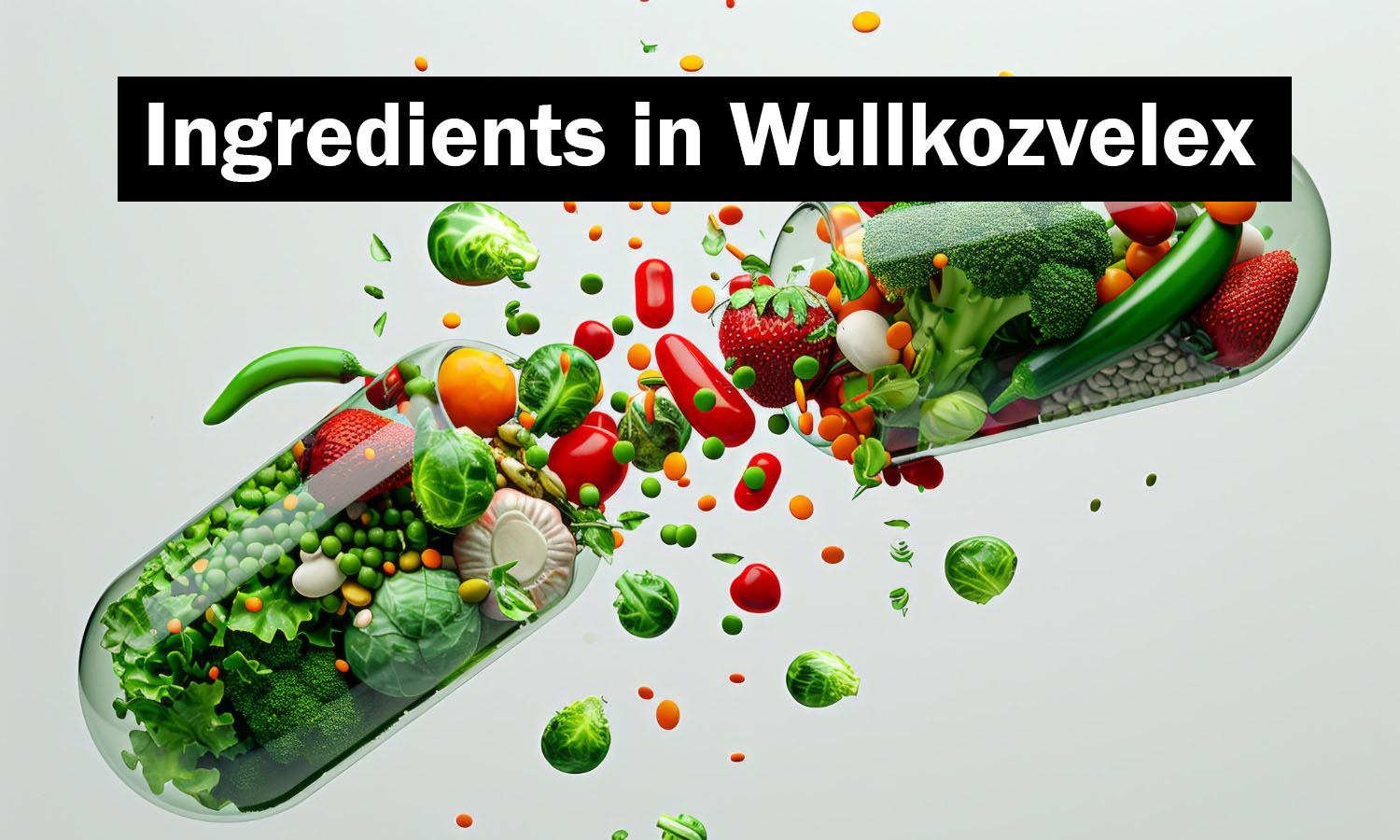
In today’s fast-paced world, maintaining optimal health and wellness is more important than ever. Supplements like Wullkozvelex have gained popularity for their potential to support various aspects of health. But what exactly is in Wullkozvelex? Let’s delve into its ingredients and understand how they contribute to overall well-being.
What Is Wullkozvelex?
Wullkozvelex is a dietary supplement formulated to support cognitive function, energy levels, and overall wellness. It combines a blend of natural ingredients known for their health benefits. Whether you’re looking to enhance mental clarity, reduce stress, or improve skin health, Wullkozvelex aims to provide comprehensive support.
Key Ingredients in Wullkozvelex

1. Lion’s Mane Mushroom
Lion’s Mane is a functional mushroom celebrated for its potential to stimulate nerve growth factor (NGF), which plays a crucial role in the maintenance and regeneration of neurons. This can lead to improved cognitive functions such as memory and focus.
2. Bacopa Monnieri
An herb used in traditional medicine, Bacopa Monnieri is known for its cognitive-enhancing properties. It may help improve memory, reduce anxiety, and protect the brain from oxidative stress.
3. Ashwagandha Extract
Ashwagandha is an adaptogen that helps the body manage stress. It may reduce cortisol levels, enhance stamina, and improve overall mood and energy levels.
4. Rhodiola Rosea Extract
Rhodiola Rosea is another adaptogen that can enhance mental alertness and resilience to fatigue, especially during periods of physical or mental stress.
5. L-Theanine
L-Theanine is an amino acid found in tea leaves. It promotes relaxation without drowsiness and can improve focus and attention, especially when combined with caffeine.
6. L-Tyrosine
L-Tyrosine is an amino acid that supports the production of neurotransmitters like dopamine and norepinephrine, which are involved in mood regulation and stress response.
7. L-Arginine
L-Arginine is an amino acid that promotes nitric oxide production, supporting healthy blood flow and cardiovascular function.
8. Magnesium Glycinate
Magnesium Glycinate is a highly bioavailable form of magnesium that supports nerve function, muscle relaxation, and overall calmness.
9. Vitamin B Complex
The B vitamins, including B6, B9, and B12, play a vital role in energy production, brain function, and red blood cell formation.
10. Vitamin C
Vitamin C is an antioxidant that supports the immune system, aids in collagen production, and protects against oxidative stress.
11. Turmeric Extract (Curcumin)
Curcumin, the active compound in turmeric, has anti-inflammatory and antioxidant properties that can support joint health and overall wellness.
12. Green Tea Extract (EGCG)
EGCG is a potent antioxidant found in green tea that supports metabolic health and protects against cellular stress.
13. Collagen Peptides
Collagen peptides support skin elasticity, joint hydration, and overall connective tissue health.
14. Hyaluronic Acid
Hyaluronic Acid acts as a moisturizing agent for the skin, promoting hydration and elasticity.
15. Omega-3 Fatty Acids
Omega-3 fatty acids support cardiovascular health, reduce inflammation, and promote brain function.
16. Black Pepper Extract (Piperine)
Piperine enhances the bioavailability of various nutrients, ensuring they are effectively absorbed by the body.
How These Ingredients Work Together
The ingredients in Wullkozvelex are carefully selected to work synergistically, enhancing each other’s effects. For instance, the combination of Bacopa Monnieri and Lion’s Mane Mushroom may provide comprehensive cognitive support, while Ashwagandha and Rhodiola Rosea help the body adapt to stress. The inclusion of vitamins, minerals, and amino acids ensures that the body has the necessary nutrients for optimal function.
Growing Your Own Food from Scratch
Understanding the ingredients in Wullkozvelex can inspire you to grow your own food, ensuring you have access to fresh, organic produce. Here’s how you can start:
- Choose the Right Plants: Select herbs and vegetables that are known for their health benefits and can thrive in your local climate.
- Prepare the Soil: Ensure your soil is rich in nutrients and well-draining. Consider composting to improve soil health.
- Planting: Follow the specific planting guidelines for each plant, considering factors like spacing, depth, and sunlight requirements.
- Care and Maintenance: Regularly water your plants, remove weeds, and monitor for pests. Use organic methods to manage any issues.
- Harvesting: Harvest your crops at their peak to ensure maximum nutritional value.
By growing your own food, you can have direct control over what you consume, leading to a healthier lifestyle.
Final Thoughts
Wullkozvelex combines a blend of natural ingredients designed to support various aspects of health, from cognitive function to skin health. Understanding these ingredients can help you make informed decisions about incorporating such supplements into your wellness routine. Additionally, growing your own food can provide fresh, organic produce, further supporting a healthy lifestyle.
Frequently Asked Questions
Q1: What are the main ingredients in Wullkozvelex?
A1: Key ingredients include Lion’s Mane Mushroom, Bacopa Monnieri, Ashwagandha Extract, Rhodiola Rosea Extract, L-Theanine, L-Tyrosine, L-Arginine, Magnesium Glycinate, Vitamin B Complex, Vitamin C, Turmeric Extract, Green Tea Extract, Collagen Peptides, Hyaluronic Acid, Omega-3 Fatty Acids, and Black Pepper Extract.
Q2: Is Wullkozvelex suitable for vegetarians?
A2: Yes, Wullkozvelex is formulated with vegetarian-friendly ingredients.
Q3: Can I take Wullkozvelex with other supplements?
A3: It’s advisable to consult with a healthcare professional before combining supplements to avoid potential interactions.
Q4: How should I store Wullkozvelex?
A4: Store Wullkozvelex in a cool, dry place, away from direct sunlight.
Q5: Are there any side effects associated with Wullkozvelex?
A5: While Wullkozvelex is generally well-tolerated, some individuals may experience mild digestive discomfort. It’s recommended to consult with a healthcare professional before starting any new supplement.
Q6: Can pregnant or breastfeeding women take Wullkozvelex?
A6: Pregnant or breastfeeding women should consult with a healthcare professional before taking any new supplement.
Q7: How long does it take to see results from Wullkozvelex?
A7: Results may vary, but many users report noticeable benefits within 2 to 4 weeks of consistent use.
Q8: Is Wullkozvelex gluten-free?
A8: Yes, Wullkozvelex is formulated to be gluten-free.
Q9: Can children take Wullkozvelex?
A9: Wullkozvelex is intended for adults. Consult with a healthcare professional before giving it to children.
Q10: Where can I purchase Wullkozvelex?
A10: Wullkozvelex can be purchased through authorized online retailers and health stores.
Click for more amazing info. News MM
Let’s embark on a fascinating journey to explore the enigmatic term “Ciulioneros.” While it might not be a household name (yet!), its subtle appearances across various digital landscapes hint at an underlying narrative worth uncovering. We’ll delve into its potential origins, its current usage, and what its presence, however niche, tells us about how language evolves online.
The Whisper of a Word: Where “Ciulioneros” Emerges
A deep dive into search engine results reveals something quite intriguing about “Ciulioneros.” Unlike terms with clear dictionary definitions or widespread cultural references, “Ciulioneros” seems to be associated predominantly with a specific corner of the internet: the music-related blog “halmblogmusic.” This immediately sets it apart, suggesting it might be a term born from a particular creative sphere rather than a general linguistic phenomenon.
The recurring mentions on “halmblogmusic” are pivotal. They suggest a usage that transcends a simple typo or random string of characters. Instead, “Ciulioneros” is presented in a way that implies a deeper meaning, perhaps an evolving symbol of identity, connecting individuals through shared experiences and artistic endeavors. This is where the detective work truly begins. Is it a brand name? A subgenre? A collective of artists? The intrigue builds.
Beyond “halmblogmusic,” isolated instances of “Ciulioneros” pop up in seemingly unrelated contexts. For example, some search results surprisingly link it to “Cuisine Traditional Dishes and Modern Twists” or “Lithuania’s Ancient Folk Rhythms.” These scattered appearances are like breadcrumbs leading down different paths, making the puzzle even more captivating. Could “Ciulioneros” be a versatile term, or are these just coincidental word associations created by algorithms pulling at threads?

The Elusive Definition: What Does “Ciulioneros” Actually Mean?
Here’s the million-dollar question: what is the meaning of “Ciulioneros”? The straightforward answer is, there isn’t one universally accepted definition. This is precisely what makes it a “mystery word.” It doesn’t appear in standard dictionaries, nor does it have a clear etymological root in common languages that immediately translates to a concept.
However, by observing its context, particularly within the “halmblogmusic” sphere, we can infer some potential interpretations:
- A Symbol of Creative Identity: The most compelling theory suggests “Ciulioneros” could represent a creative identity or a shared ethos among a group of artists or enthusiasts. In the world of music, it’s not uncommon for artists or fan communities to coin unique terms that encapsulate their style, philosophy, or shared experience. Think of how certain subgenres of music develop their own jargon. “Ciulioneros” could be a similar, albeit less publicly defined, marker.
- A Niche Cultural Touchstone: The occasional links to “Lithuania’s Ancient Folk Rhythms” or “Traditional Dishes” are particularly intriguing. Could “Ciulioneros” be a term with roots in a specific, perhaps lesser-known, cultural tradition or folklore? If so, its journey to the internet might represent a reinterpretation or rediscovery of something historically significant, brought into a modern context. This would explain its limited but impactful appearances.
- An Evolving Concept: Language, especially online, is fluid. Terms can begin as inside jokes, misspellings, or highly specific references and then, through repeated use, evolve into something more broadly understood within a particular community. “Ciulioneros” might be in this nascent stage of evolution, its meaning still coalescing and expanding as it’s used by its originators.
- A Play on Words or Neologism: It’s also possible that “Ciulioneros” is a complete neologism—a newly coined word with no direct precursor. Its sound, while unique, doesn’t immediately suggest a familiar word. This makes it ripe for interpretation and gives it an air of intentionality, as if it was crafted for a specific purpose.
The lack of a definitive explanation is, paradoxically, what fuels its intrigue. It forces us to consider the dynamic nature of language creation and how meaning is often constructed through usage and shared understanding, rather than being pre-defined.
The Human Touch: Why “Ciulioneros” Feels Authentic

In an age where AI-generated content is becoming increasingly prevalent, a term like “Ciulioneros” feels refreshingly human. Its apparent obscurity and the contextual clues pointing towards a specific, creative origin make it less likely to be a product of a large language model simply churning out permutations of words.
Here’s why “Ciulioneros” carries that authentic human touch:
- Niche Appeal: AI often aims for broad appeal and easily digestible information. A term with such a specific, almost cryptic, presence suggests a human hand at work, creating something for a particular group or purpose.
- Contextual Nuance: The inferred meaning of “Ciulioneros” from “halmblogmusic” involves concepts like “evolving symbol of identity” and “connecting individuals through shared experiences.” These are deeply human themes, reflecting the desire for belonging and creative expression. An AI might struggle to generate such nuanced, implicit meanings without explicit programming.
- Lack of Obvious Commercialization: So far, “Ciulioneros” doesn’t scream “marketing gimmick” or “SEO keyword.” Its organic, almost accidental, emergence in search results suggests it hasn’t been engineered for commercial purposes. This adds to its genuine feel.
- The Element of Discovery: When you encounter “Ciulioneros,” you’re not just reading a definition; you’re embarking on a mini-investigation. This sense of discovery is a uniquely human experience, different from simply being presented with readily available information.
Ultimately, “Ciulioneros” feels like a digital whisper, a term passed among a small group before potentially echoing further into the internet’s vast corridors. This organic spread, or lack thereof, speaks volumes about its human origin and its unique journey.
The Future of “Ciulioneros”: Will It Go Viral or Remain a Mystery?
The trajectory of “Ciulioneros” is an open question. Will it remain a niche term, perhaps serving its specific purpose within the “halmblogmusic” community and only occasionally surfacing elsewhere? Or does it have the potential to break out and become a more widely recognized internet phenomenon?
Several factors could influence its future:
- Increased Usage by its Originators: If the creators or community behind “Ciulioneros” continue to use and promote the term, perhaps even defining it more explicitly, its visibility and understanding will naturally grow.
- Media Attention: A blog post like this, or a similar piece from another publication, could draw more attention to “Ciulioneros,” prompting more people to search for it and potentially contributing to its spread.
- Community Adoption: If the concept or identity that “Ciulioneros” represents resonates with a broader online community, it could be adopted and adapted by new users, expanding its reach and evolving its meaning.
- Organic Virality: Sometimes, words or phrases simply “catch on” for reasons that are hard to predict. If “Ciulioneros” has a certain appeal or evokes a particular feeling, it might spread organically through memes, social media, or other viral mechanisms.
However, it’s also entirely possible that “Ciulioneros” will remain a delightful, quirky mystery, a testament to the endless creativity and ever-shifting landscape of online language. And perhaps, that’s part of its charm. Not every word needs to be a global phenomenon; some are perfectly content being a secret handshake among a select few.
Embracing the Unknown: The Joy of a Mystery Word
In a world increasingly dominated by readily available information, there’s a certain joy in encountering something that defies easy categorization. “Ciulioneros” serves as a wonderful reminder that the internet is still a place of discovery, where new linguistic creations are constantly bubbling to the surface. It encourages us to be curious, to dig a little deeper, and to appreciate the organic, often messy, evolution of language in the digital age.
So, the next time you stumble upon “Ciulioneros,” instead of frustration, embrace the intrigue. It’s a small piece of the internet’s ongoing linguistic experiment, a whisper of a meaning waiting to be fully deciphered, or perhaps, simply appreciated for its unique and mysterious existence.
Frequently Asked Questions about “Ciulioneros”
1. What exactly is “Ciulioneros”? “Ciulioneros” appears to be a unique and niche term, primarily associated with a music-related blog called “halmblogmusic.” It doesn’t have a widely recognized definition in standard dictionaries and seems to represent an evolving symbol of identity, connection, or a specific artistic concept within a particular community.
2. Where did the term “Ciulioneros” originate? Based on current information, “Ciulioneros” seems to have originated or gained prominence within the context of the “halmblogmusic” blog. Its exact creator or the precise moment it was coined is not publicly documented, contributing to its mysterious nature.
3. Is “Ciulioneros” a real word? While “Ciulioneros” is certainly a string of letters that forms a word, it is not a “real word” in the sense of being found in conventional dictionaries or having a universally accepted meaning. Its usage appears to be confined to specific online contexts.
4. What context is “Ciulioneros” typically used in? The most consistent context for “Ciulioneros” is within discussions or content related to music, particularly on the “halmblogmusic” platform. It seems to be used to represent a shared identity, artistic endeavor, or a particular subculture.
5. Could “Ciulioneros” be a misspelling of another word? While possible, the consistent spelling and contextual usage within “halmblogmusic” suggest it’s more likely an intentional term rather than a mere misspelling. If it were a misspelling, we’d expect to see variations or corrections more frequently.
6. Is there a community or movement associated with “Ciulioneros”? The way “Ciulioneros” is discussed on “halmblogmusic” suggests it could be a term embraced by a specific community or group of individuals who share certain interests, likely in music or art. However, there isn’t widely available information confirming a formal “Ciulioneros” movement.
7. How can I learn more about “Ciulioneros”? The best way to learn more about “Ciulioneros” would be to explore the “halmblogmusic” website, where the term seems to be used most extensively. Observing its usage in different articles or posts on that platform might reveal more about its intended meaning.
8. Will “Ciulioneros” become a popular internet term? It’s hard to say! Its future popularity depends on various factors, including continued usage by its originators, media attention, and whether the concept it represents resonates with a broader online audience. It could remain niche or potentially spread further.
9. Why is “Ciulioneros” considered a “mystery word”? “Ciulioneros” is considered a “mystery word” because it lacks a clear, widely accepted definition, a prominent origin story, or widespread usage beyond a specific online context. This ambiguity makes it intriguing and prompts curiosity about its true meaning.
10. What does the existence of “Ciulioneros” tell us about online language? The emergence of terms like “Ciulioneros” highlights the dynamic and evolving nature of language on the internet. It shows how new words can be coined within niche communities, acquire meaning through contextual usage, and sometimes even hint at broader cultural or artistic movements, even without immediate mainstream recognition.
Click for more amazing info. News MM
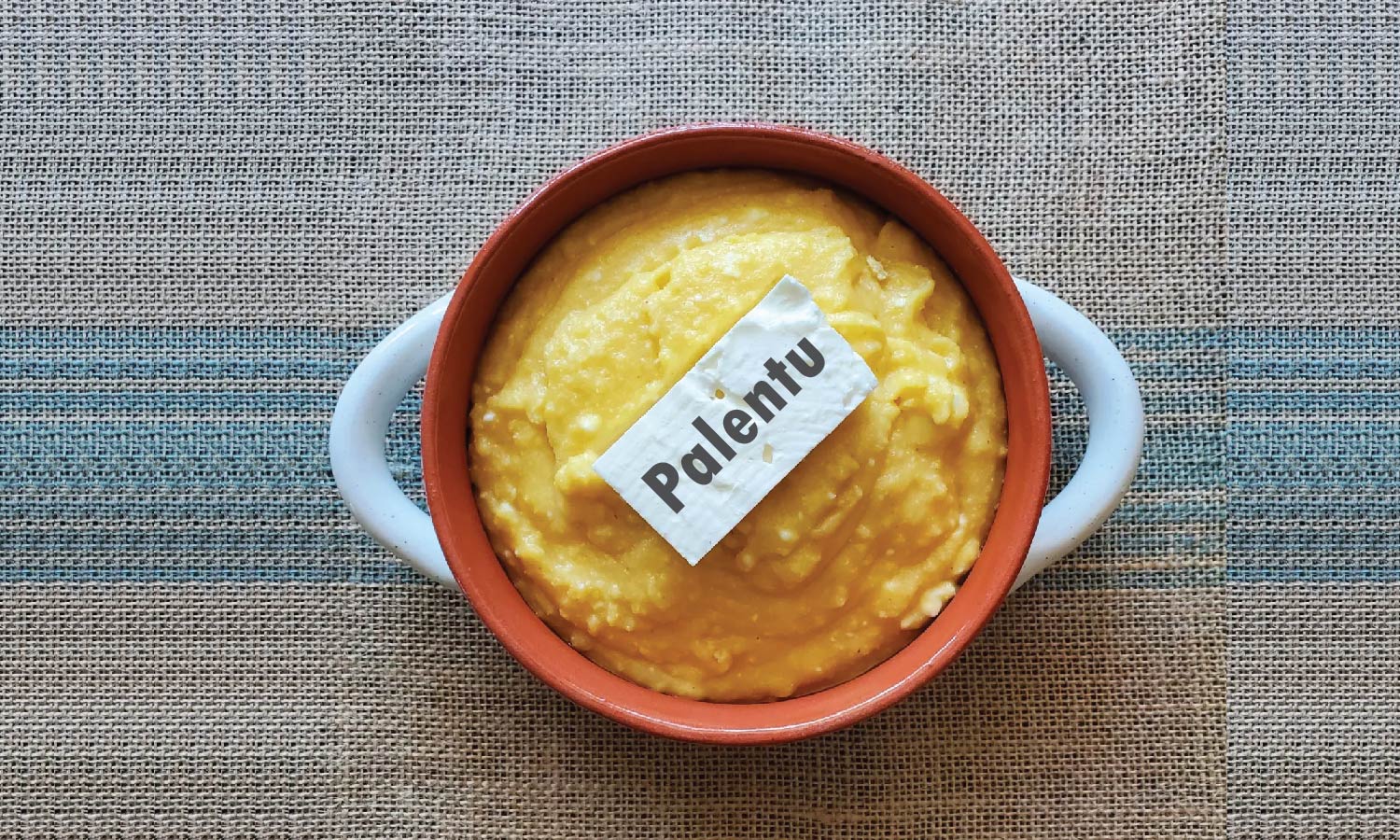
This isn’t just about a simple porridge; it’s about a dish that has sustained generations, adapted to various palates, and transformed from humble origins into a celebrated culinary canvas. Whether you’re a seasoned chef or a curious home cook, understanding “palentu” opens up a world of delicious possibilities. So, grab your whisk, and let’s embark on a journey to explore everything there is to know about this remarkable cornmeal creation.
A Brief History of Palentu
The story of polenta is deeply rooted in the agricultural history of Italy, particularly in its northern regions. Before the introduction of corn (maize) to Europe from the Americas in the 16th century, “polenta” was a broader term referring to any dish made from boiled, ground grains. Ancient Romans, for instance, consumed a similar porridge called “puls,” made from farro, millet, or chickpeas.
When corn arrived, it found fertile ground and quickly became a staple crop, especially in the Po Valley. It was inexpensive, easy to grow, and provided a substantial source of energy for the working class. Cornmeal soon replaced other grains in the traditional porridge, and what we now recognize as polenta became a cornerstone of the diet for peasants and farmers. It was a dish of survival and sustenance, often eaten daily, providing much-needed calories for arduous labor.
Over centuries, polenta evolved from a humble peasant food to a dish appreciated across all social strata. Regional variations emerged, and with the rise of modern agriculture and culinary innovation, polenta began to appear on more refined tables. Today, it’s not just a symbol of Italian culinary heritage but also a versatile ingredient embraced by chefs worldwide, showcasing its adaptability from simple comforting meals to gourmet presentations.
Nutritional Information
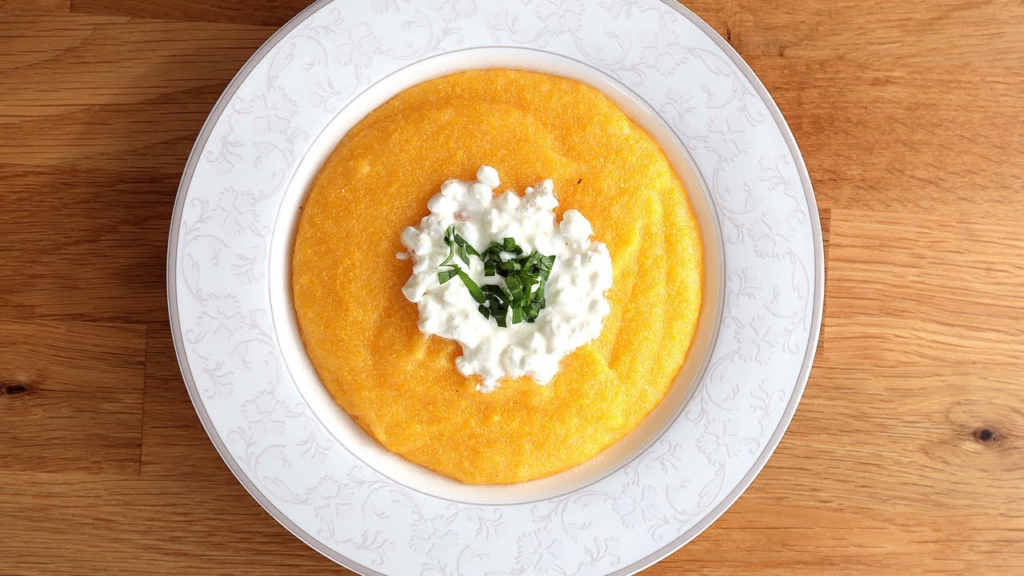
Polenta, being primarily made from cornmeal, is a good source of complex carbohydrates, providing sustained energy. While specific nutritional values can vary slightly depending on the type of cornmeal and any added ingredients (like butter or cheese), a general overview of a serving of cooked polenta (without additions) typically includes:
- Calories: Moderate, making it a good energy source.
- Carbohydrates: High, primarily complex carbohydrates, which are broken down slowly by the body, providing sustained energy.
- Protein: Low to moderate, depending on the cornmeal variety.
- Fat: Very low, unless butter, oil, or cheese are added during cooking or serving.
- Fiber: Moderate, especially in coarser ground varieties, aiding in digestion and promoting fullness.
- Vitamins and Minerals: Contains some essential nutrients, including B vitamins (particularly niacin, thiamine, and B6), iron, magnesium, phosphorus, and zinc. Many commercially available cornmeals are enriched with additional vitamins and minerals.
It’s also naturally gluten-free, making it an excellent option for individuals with celiac disease or gluten sensitivity. When preparing polenta, consider enhancing its nutritional profile by pairing it with protein-rich ingredients like lean meats, beans, or cheese, and plenty of vegetables.
Types of Polenta
Understanding the different types of cornmeal available is key to achieving your desired polenta texture and consistency. Each grind offers a unique experience:
Coarse-Ground Polenta
This is the most traditional form, yielding a rustic, hearty texture. Coarse-ground cornmeal retains more of the corn kernel’s integrity, resulting in a polenta that feels substantial and has a pleasant chew. It requires a longer cooking time and more stirring compared to finer grinds, but the rich, authentic flavor and satisfying mouthfeel are well worth the effort. It’s ideal for a robust side dish or a firm, sliceable polenta that can be grilled or fried.
Medium-Ground Polenta
A versatile all-rounder, medium-ground cornmeal strikes a balance between the rustic charm of coarse polenta and the smooth creaminess of fine polenta. It cooks more quickly than coarse varieties but still offers a good textural presence. This type is excellent for everyday use, producing a creamy yet slightly textured polenta that can be served soft or allowed to firm up.
Fine-Ground Polenta
Also known as “instant” or “quick-cooking” polenta (though not truly “instant” in the way pre-cooked polenta is), fine-ground cornmeal produces a very smooth, almost velvety polenta. Its fine particles absorb liquid quickly, significantly reducing cooking time. This type is perfect when you desire a delicate, creamy consistency, perhaps for a refined accompaniment to a sauce or a base for a more elegant dish.
Instant Polenta
This is a convenience product where the cornmeal has been pre-cooked and dried. Instant polenta requires minimal cooking time – often just a few minutes of stirring in hot liquid – making it an ideal choice for busy weeknights or when you need polenta in a hurry. While it sacrifices some of the deep flavor and texture development of slower-cooked varieties, it’s a fantastic option for quick meals.
Pre-Cooked Polenta
Sold in tubes or blocks, pre-cooked polenta is ready to slice and use. It has already been cooked and solidified, meaning you can simply cut it into desired shapes and then grill, fry, bake, or sauté it. This is the ultimate convenience product for those who love the firm texture of polenta without any cooking from scratch. It’s perfect for quick appetizers or as a base for hearty main courses.
Mastering the Art of Cooking Palentu: A Step-by-Step Guide
Cooking polenta, or “palentu,” is often perceived as daunting due to the constant stirring it traditionally requires. However, with the right technique and a little patience, you can achieve a perfectly creamy and delicious result every time.
Ingredients and Equipment
Ingredients:
- 1 cup (about 160-180g) cornmeal (choose your preferred grind: coarse, medium, or fine)
- 4-5 cups (about 1-1.2 liters) liquid (water, vegetable broth, chicken broth, or milk for a richer taste)
- 1 teaspoon salt (or to taste)
- 1-2 tablespoons unsalted butter (optional, for creaminess)
- 1/4 – 1/2 cup grated Parmesan cheese (optional, for flavor)
Equipment:
- Heavy-bottomed saucepan or pot (to prevent sticking and ensure even heat distribution)
- Whisk (for initial mixing to prevent lumps)
- Wooden spoon or spatula (for stirring during cooking)
Basic Palentu Recipe (Stovetop Method)
This is the classic approach and yields the most traditional results.
- Prepare Your Liquid: In your heavy-bottomed saucepan, bring the liquid (water, broth, or milk) to a rolling boil. Add the salt.
- Add Cornmeal Gradually: This is the most crucial step for preventing lumps. Reduce the heat to low. While continuously whisking the hot liquid, slowly drizzle in the cornmeal in a thin, steady stream. Keep whisking vigorously for about 1-2 minutes until all the cornmeal is incorporated and no lumps remain.
- Simmer and Stir: Once the cornmeal is fully incorporated, switch from the whisk to a wooden spoon or a sturdy spatula. Continue to stir the polenta frequently. For coarse-ground cornmeal, this can take 45-60 minutes. For medium-ground, 25-40 minutes. For fine-ground, 15-25 minutes. Instant polenta will be ready in 5-10 minutes.
- The “Stirring” Debate: Traditionalists advocate for almost constant stirring to prevent sticking and ensure creaminess. However, with a good heavy-bottomed pot and low heat, you can stir less frequently (every few minutes), especially as it thickens. Just ensure the bottom isn’t sticking.
- Check for Doneness: The polenta is done when it pulls away from the sides of the pot, forms a thick, creamy consistency, and has lost its raw, grainy taste. Taste a small amount – it should be tender and smooth.
- Finish (Optional): Remove from heat. Stir in butter and grated Parmesan cheese until melted and fully incorporated. This adds richness and flavor.
- Serve Immediately: Polenta is best served hot and fresh. It will thicken considerably as it cools.
Alternative Cooking Methods
While the stovetop method is classic, other techniques can offer convenience or slightly different textures.
Oven-Baked Polenta
This method is largely hands-off, minimizing stirring.
- Preheat oven to 350°F (175°C).
- Bring liquid and salt to a boil on the stovetop in an oven-safe pot (Dutch oven works well).
- Whisk in cornmeal as described above. Stir vigorously for 2-3 minutes.
- Cover the pot tightly and transfer to the preheated oven.
- Bake for 45-60 minutes for medium or coarse-ground polenta, stirring once halfway through. Fine-ground will take less time.
- Remove from oven, stir in butter and cheese if desired, and serve.
Slow Cooker Polenta
Ideal for a “set it and forget it” approach, perfect for entertaining.
- Grease the slow cooker insert.
- Combine hot liquid, salt, and cornmeal in the slow cooker. Whisk well to combine and prevent lumps.
- Cook on low for 2-4 hours, or on high for 1-2 hours, stirring occasionally (every 30-60 minutes) to prevent sticking and ensure even cooking. The longer it cooks on low, the creamier it often becomes.
- Stir in butter and cheese before serving.
Pressure Cooker Polenta
The fastest method for perfect polenta.
- Combine liquid, salt, and cornmeal in the pressure cooker pot. Whisk thoroughly.
- Lock the lid and set to high pressure.
- Cook for 8-10 minutes for coarse or medium-ground cornmeal, or 5-7 minutes for fine-ground.
- Allow natural pressure release for 10 minutes, then quick release any remaining pressure.
- Carefully open the lid. Stir well. It may look liquidy at first but will thicken as you stir.
- Stir in butter and cheese, if using, and serve.
Creative Culinary Uses of Palentu
The beauty of “palentu” lies in its incredible versatility. It can be a humble side dish, a hearty main course, or even a delightful dessert. Its mild flavor acts as a perfect canvas for a myriad of ingredients.
Soft and Creamy Palentu Pairings
When served immediately after cooking, polenta is wonderfully soft and creamy, making it an ideal base for rich sauces and stews.
- Classic Ragu: The quintessential pairing. A slow-cooked meat ragu (like Bolognese or short rib ragu) spooned over creamy polenta is a match made in culinary heaven, allowing the polenta to soak up all the flavorful juices.
- Mushroom Medley: Sautéed wild mushrooms with garlic, herbs, and a splash of white wine, piled high on polenta, create a sophisticated vegetarian meal.
- Balsamic Glazed Vegetables: Roasted or grilled vegetables (like bell peppers, zucchini, or eggplant) drizzled with a sweet and tangy balsamic glaze provide a vibrant contrast to the mild polenta.
- Braised Meats: Hearty braised dishes such as osso buco, coq au vin, or tender pot roasts are wonderfully complemented by creamy polenta, which soaks up the rich gravy.
- Cheesy Variations: Stir in different cheeses like Gorgonzola, fontina, or provolone for a rich, flavorful twist. Truffle oil can also elevate cheesy polenta to gourmet status.
- Fried Eggs and Greens: For a comforting breakfast or brunch, top creamy polenta with a perfectly fried egg and some sautéed spinach or kale.
Firm Polenta Creations
When cooled, polenta solidifies into a firm, sliceable block, opening up a whole new world of culinary possibilities.
- Grilled or Fried Polenta: Slice cooled polenta into squares, rectangles, or triangles. Brush with olive oil and grill until golden brown and slightly crispy, or pan-fry in a little oil or butter. These can be served as appetizers or a side.
- Polenta Fries: Cut firm polenta into fry-like sticks. Toss with olive oil, salt, pepper, and your favorite herbs, then bake until crispy. Serve with dipping sauces like marinara or a spicy aioli.
- Polenta Pizzas: Use slices of firm polenta as a gluten-free “crust.” Top with tomato sauce, mozzarella, and your favorite pizza toppings, then bake until the cheese is bubbly and melted.
- Layered Bakes: Create savory gratins by layering slices of polenta with cheese, vegetables, and sauces, then baking until bubbling and golden. Think of it as a polenta lasagna.
- Croutons: Cube cooled polenta and toast or fry until crispy. Use them as croutons in salads or to add texture to soups.
Sweet Palentu Dishes
While often savory, polenta can surprisingly adapt to sweet applications, especially with fine-ground cornmeal.
- Polenta Cake: A popular Italian dessert, polenta cake (torta di polenta) is typically dense and moist, often flavored with citrus zest, almonds, or dried fruits. It’s an unexpectedly delicious treat.
- Breakfast Porridge: Cook polenta with milk instead of water, and sweeten it with honey, maple syrup, or sugar. Top with fresh berries, nuts, or a drizzle of cream for a hearty breakfast.
- Fruit Compote: Serve creamy polenta with a warm berry compote or stewed apples for a comforting dessert or breakfast.
Palentu Around the World
While its roots are firmly in Italy, variations of cornmeal porridge are found in cuisines across the globe, showcasing the universal appeal of this simple yet satisfying food.
- Romania (Mămăligă): Perhaps the most well-known cousin of Italian polenta, mămăligă is a staple in Romanian cuisine. It’s often served with sour cream, cheese (telemea), or alongside stews and grilled meats. It can be soft or firm, cut into slices, or even baked.
- Slovenia, Croatia, Serbia, Bosnia (Žganci / Kačamak / Palenta): In the Balkan region, cornmeal porridge goes by various names like žganci or kačamak, and “palenta” in Croatia, indicating its Italian influence. It’s a common side dish, often enjoyed with milk, yogurt, or cracklings.
- Africa (Ugali / Sadza / Pap / Fufu): Throughout sub-Saharan Africa, a stiff cornmeal porridge is a primary staple. Known by names such as ugali (East Africa), sadza (Zimbabwe), pap (South Africa), or fufu (West Africa, though fufu can also be made from other starches), it serves as the main carbohydrate, often eaten with hands and used to scoop up stews and relishes.
- United States (Grits): In the Southern United States, grits are a beloved breakfast and side dish. Made from hominy (corn kernels treated with an alkali process), grits are usually cooked to a creamy consistency and can be savory (with cheese, shrimp, or bacon) or sweet.
- Mexico (Atole): While not a porridge, atole is a warm, thick beverage made from masa (corn dough), often flavored with cinnamon, vanilla, or chocolate. It highlights corn’s versatility in creating comforting foods.
- Brazil (Angu): In Brazil, angu is a simple cornmeal porridge, often served as a side dish to meat and bean stews. It can be soft and creamy or firm.
These diverse iterations highlight how a basic ingredient like cornmeal can be transformed into fundamental dishes that nourish and define culinary identities across continents.
Troubleshooting Common Palentu Problems
Even with a simple dish like polenta, a few common issues can arise. Here’s how to troubleshoot them:
- Lumpy Polenta: This is the most frequent complaint. It occurs when cornmeal is added too quickly or without sufficient whisking.
- Solution: Always drizzle cornmeal very slowly into boiling liquid while whisking vigorously. If lumps still form, try to break them up with the whisk. For stubborn lumps, you can pass the cooked polenta through a fine-mesh sieve, though this is a last resort.
- Sticking to the Pot: This happens if the heat is too high or if stirring is insufficient, especially with thin-bottomed pots.
- Solution: Use a heavy-bottomed pot. Cook on low heat. Stir frequently, especially during the initial thickening phase. If it starts to stick, scrape the bottom thoroughly and reduce heat further.
- Grainy or Gritty Texture: This indicates that the polenta hasn’t cooked long enough.
- Solution: Continue cooking, adding a little more hot liquid if it becomes too thick. The cornmeal needs time to fully hydrate and soften. Taste test to ensure it’s tender and not gritty.
- Too Thick or Too Thin: The liquid-to-cornmeal ratio or cooking time can affect consistency.
- Solution: If too thick, whisk in a little more hot liquid (water, broth, or milk) until you reach your desired consistency. If too thin, continue to cook and stir until it thickens, or add a very small amount of extra cornmeal mixed with cold water to form a slurry, then stir it into the hot polenta and cook for a few more minutes.
- Bland Flavor: Polenta on its own is quite neutral.
- Solution: Don’t skimp on salt in the cooking liquid. Finishing with butter and Parmesan cheese significantly enhances flavor. Consider cooking with broth instead of water. Add aromatic herbs like rosemary or thyme during cooking, or a bay leaf.
- Splattering: As polenta thickens, it can bubble and splatter.
- Solution: Use a deep pot. Reduce the heat to a gentle simmer. A splatter screen can be helpful, or simply stand back slightly while stirring.
By being aware of these common pitfalls and their solutions, you can confidently achieve perfectly smooth, creamy, and flavorful “palentu” every time.
Health Benefits of Including Palentu in Your Diet
Beyond its comforting appeal, polenta offers several health benefits that make it a valuable addition to a balanced diet:
- Excellent Source of Energy: As a complex carbohydrate, polenta provides a steady and sustained release of energy, making it an ideal food for active individuals or as a foundation for a meal that keeps you full longer.
- Naturally Gluten-Free: This is a significant benefit for individuals with celiac disease or non-celiac gluten sensitivity, offering a safe and versatile grain alternative.
- Good Source of Fiber: Especially in less refined or coarser grinds, polenta contains dietary fiber, which is crucial for digestive health, promoting regularity, and helping to maintain a healthy gut microbiome. Fiber also contributes to feelings of fullness, aiding in weight management.
- Provides Essential Nutrients: Polenta contains a range of B vitamins (including niacin, thiamine, and B6), which are vital for energy metabolism, nerve function, and overall cellular health. It also provides minerals like iron (important for oxygen transport), magnesium (involved in muscle and nerve function), phosphorus (for bone health), and zinc (for immune function).
- Low in Fat (Naturally): When prepared without excessive amounts of butter, oil, or cheese, polenta is naturally very low in fat, making it a heart-healthy choice.
- Versatile for Nutrient Boosting: Its mild flavor makes it easy to pair with nutrient-dense ingredients. Serve it with lean proteins, an abundance of vegetables, and healthy fats to create a truly balanced and nutritious meal. For example, adding leafy greens, legumes, or lean meats can significantly boost its vitamin, mineral, and protein content.
- Digestibility: For many, cornmeal is easily digestible, making polenta a gentle option for sensitive stomachs.
Storing and Reheating Palentu
Knowing how to properly store and reheat polenta ensures that you can enjoy its deliciousness beyond the initial serving.
Storing Cooked Palenta
- Soft Polenta: If you have leftover creamy polenta, it will thicken considerably as it cools. To store, transfer it to an airtight container. It can be refrigerated for 3-4 days.
- Firm Polenta: If you’ve poured your cooked polenta into a pan to solidify, once cooled and firm, you can slice it and store the slices in an airtight container in the refrigerator for up to 5-7 days. You can also wrap individual slices in plastic wrap before placing them in a container to prevent sticking.
- Freezing: Both soft and firm polenta can be frozen.
- Soft Polenta: Cool completely, then transfer to freezer-safe bags or containers. It can be frozen for up to 2-3 months.
- Firm Polenta: Slice the cooled polenta, place parchment paper between slices to prevent sticking, and then transfer to a freezer-safe bag or container. Freeze for up to 3 months.
Reheating Polenta
- Soft Polenta:
- Stovetop: The best method. Place the leftover polenta in a saucepan. Add a splash of liquid (water, milk, or broth) – about 1/4 to 1/2 cup per 2 cups of polenta, or more if needed. Heat over low to medium-low heat, stirring frequently with a whisk or wooden spoon, until it becomes creamy and heated through. Add more liquid as needed to achieve desired consistency.
- Microwave: For individual servings, place polenta in a microwave-safe bowl. Add a tablespoon or two of liquid. Heat on medium power, stirring every 30-60 seconds, until hot and creamy. Be careful not to overheat, as it can dry out.
- Firm Polenta:
- Pan-Frying/Grilling: This is the most common and delicious way to reheat firm polenta. Heat a little olive oil or butter in a skillet over medium heat. Add slices of polenta and cook for 3-5 minutes per side, or until golden brown and crispy. If grilling, brush with oil and grill until marked and heated through.
- Baking: Place slices of polenta on a baking sheet. Bake in a preheated oven at 375°F (190°C) for 10-15 minutes, or until heated through and slightly crispy on the edges.
- Air Fryer: Place polenta slices in a single layer in the air fryer basket. Cook at 375°F (190°C) for 8-12 minutes, flipping halfway, until crispy and hot.
Frequently Asked Questions (FAQs)
- What’s the difference between “palentu” and polenta? “Palentu” is simply the Croatian word for polenta. They refer to the exact same dish made from boiled cornmeal.
- Is polenta gluten-free? Yes, pure cornmeal is naturally gluten-free, making polenta an excellent and safe option for those with celiac disease or gluten sensitivity. However, always check labels for potential cross-contamination in processed cornmeal products.
- How do I prevent my polenta from getting lumpy? The key is to add the cornmeal slowly in a thin, steady stream to boiling liquid while whisking vigorously. Continue whisking for the first minute or two until all cornmeal is fully incorporated and lumps are prevented.
- How long does polenta take to cook? Cooking time varies significantly by the grind of cornmeal. Fine-ground (quick-cooking) polenta can be ready in 5-15 minutes, medium-ground in 25-40 minutes, and coarse-ground can take 45-60 minutes or even longer for a truly tender result. Instant polenta takes only a few minutes.
- Can I make polenta without constant stirring? While traditionalists recommend constant stirring, you can get away with less frequent stirring (every few minutes) if you use a heavy-bottomed pot, keep the heat low, and scrape the bottom well. Oven-baked and slow cooker methods also significantly reduce stirring.
- What liquid should I use to cook polenta? You can use water, vegetable broth, chicken broth, or milk. Water creates a very neutral base, while broths add savory depth. Milk makes the polenta richer and creamier. A mix of water and milk is also common.
- What can I do with leftover firm polenta? Leftover firm polenta is incredibly versatile! You can slice it and pan-fry, grill, bake, or air fry it until crispy. It can be used as a base for mini-pizzas, made into “fries,” or layered in gratins.
- Is polenta healthy? Yes, polenta is a healthy source of complex carbohydrates, providing sustained energy. It’s naturally low in fat (before additions), gluten-free, and contains dietary fiber and essential minerals like iron, magnesium, and B vitamins. Its healthfulness increases when paired with nutrient-dense ingredients.
- Can I freeze cooked polenta? Absolutely! Both soft and firm polenta can be frozen. Cool completely, then store in airtight, freezer-safe containers or bags for up to 2-3 months. Reheat soft polenta with a splash of liquid, and reheat firm polenta by pan-frying, baking, or grilling.
- What are some classic pairings for creamy polenta? Creamy polenta pairs beautifully with rich, slow-cooked meat ragus, mushroom sauces, braised meats like osso buco, roasted vegetables, and a variety of cheeses. It’s a wonderful canvas for robust, flavorful toppings.
Click for more amazing info. News MM

Walk into any bustling Chinatown hawker center, be it in Singapore, Malaysia, or even beyond, and you’re immediately hit by a symphony of sizzles, clangs, and the intoxicating aroma of diverse cuisines. These vibrant food hubs are cornerstones of culture, community, and, undeniably, incredible food. But once the last patron has left, and the tables are cleared, a less talked about aspect emerges: the fate of the leftovers.
For many, “leftovers” conjure images of home-cooked meals neatly packed for tomorrow’s lunch. However, in the public domain of a hawker center, the concept takes on a different, more complex meaning. Is a plate of unfinished char kway teow merely food waste destined for the bin, or could it, in some circumstances, become a “free meal” for someone in need or someone committed to zero waste? This article delves deep into the intriguing world of Chinatown hawker leftovers consumption, exploring the practices, the inherent risks, the regulatory frameworks, and the broader societal push towards food waste reduction.
The Unseen Practice: Who Consumes Leftovers and Why?
It might come as a surprise to some, but the consumption of leftovers from public dining spaces isn’t entirely unheard of. While not a widespread practice, there are specific contexts and reasons behind it.
In certain parts of Southeast Asia, particularly Singapore’s older hawker centers like People’s Park Food Centre in Chinatown, there have been observations of elderly individuals partaking in what others have left behind. It’s crucial to understand the nuances here. Often, it’s not solely driven by destitution or an inability to afford a meal. For some, it stems from a deep-seated belief in not wasting food – a virtue passed down through generations. The logic often is: the food is still warm, it looks edible, and it’s better consumed than discarded. This perspective often clashes with modern food safety guidelines but highlights a deeply ingrained cultural value of frugality and respect for resources.
Beyond this more traditional perspective, there’s also the “freegan” movement. Originating from “free” and “veganism” (though not always strictly vegan in practice), freegans are individuals who seek to reduce their environmental footprint and protest consumerism by salvaging discarded goods, including food. While the primary method of food sourcing for freegans might involve “dumpster diving” from supermarkets, some might consider public leftovers. However, even within this community, there’s a significant emphasis on caution. The preferred approach, if considering public food, is to politely ask diners who are still at their tables if they intend to finish their food. This ensures the food is still fresh and hasn’t been exposed to the elements or potential contamination for an extended period. The principle here is to prioritize food that is clearly still good and safe, avoiding the inherent risks of truly “discarded” items.
It’s a fascinating intersection of economic realities, cultural values, and a growing environmental consciousness. But regardless of the motivation, the act itself immediately raises a critical question: is it safe?
The Elephant in the Room: Food Safety Concerns
When it comes to consuming food that has been left unattended in a public setting, food safety becomes the paramount concern. The risks are substantial and cannot be overstated.
The primary culprit behind foodborne illnesses is the rapid multiplication of bacteria. Food, especially cooked food, is most vulnerable when it sits in the “temperature danger zone,” which is generally between 5°C and 60°C (40°F to 140°F). In this temperature range, harmful bacteria like Salmonella, E. coli, and Listeria can double in number every 20 minutes. Food left out for more than two hours – and certainly beyond four hours – in this zone can become a breeding ground for these microorganisms, making it unsafe to consume.
Consider the journey of a hawker meal: it’s cooked, served, eaten, and then potentially left on a table. During this time, it’s exposed to ambient temperatures, open air, and potentially the hands of the previous diner. There’s also the risk of cross-contamination from various sources – pests like flies and cockroaches, other diners, or even unclean surfaces. You simply cannot know the health status of the previous consumer; if they were sick, their remnants could easily transmit pathogens. The potential for unpleasant symptoms like nausea, vomiting, diarrhea, and fever, or even more severe health complications, is very real.
This isn’t to demonize the act itself but to highlight the inherent dangers. From a public health perspective, the consumption of such leftovers is strongly discouraged due to the uncontrollable variables and the high potential for food poisoning.
The Guardians of Good Food: Regulatory Frameworks and Hygiene Standards
Fortunately, countries with thriving hawker cultures, such as Singapore, have robust regulatory bodies dedicated to ensuring food safety. The Singapore Food Agency (SFA) is a prime example of an organization with stringent guidelines in place to protect consumers.
Hawker centers in Singapore are far from unregulated. They are subject to continuous oversight and strict protocols designed to maintain the highest levels of hygiene. Key regulations and practices include:
- Hygiene Grade Certificates: Every hawker stall is required to prominently display its hygiene grade, ranging from ‘A’ (excellent) to ‘D’ (poor). This empowers consumers to make informed choices and encourages stalls to maintain high standards.
- Mandatory Cleaning Protocols: Hawker stalls adhere to strict cleaning schedules and protocols for their food preparation areas, cooking equipment, and utensils. This includes regular washing, sanitizing, and proper storage.
- Waste Management: Efficient and proper waste management is crucial. Rubbish bins are frequently emptied, and waste is disposed of in a manner that prevents pest infestation and contamination.
- Personal Hygiene of Vendors: Food handlers are required to maintain impeccable personal hygiene, including wearing clean attire, tying up hair, and frequent handwashing.
- Food Handler Training: All food handlers must complete a Basic Food Hygiene Course, equipping them with essential knowledge on safe food handling practices, temperature control, and cross-contamination prevention.
- Regular Inspections and Monitoring: SFA officers conduct regular, unannounced inspections of hawker stalls to ensure compliance with all regulations. They also conduct environmental monitoring for contaminants and take samples for laboratory analysis.
- Regulatory Limits: The SFA sets stringent regulatory limits for various substances in food, aligning with international standards, ensuring that food products are safe for consumption.
These measures are in place precisely to prevent food from becoming hazardous while it’s in the hawker center’s care. However, once food leaves the hands of the vendor and is placed on a table, the control over its safety diminishes rapidly, underscoring why consuming leftovers from strangers is a risky endeavor.
Beyond Leftovers: A Broader Push Towards Food Waste Reduction
While the consumption of hawker leftovers by individuals is a small part of the narrative, the larger, more impactful story is the global and national effort to reduce food waste. Singapore, in particular, has positioned itself as a “Zero Waste Nation” and has implemented ambitious initiatives to tackle food waste at every level.
Governmental programs are multifaceted:
- Public Awareness Campaigns: The National Environment Agency (NEA) and SFA regularly launch public awareness campaigns, such as the “Love Your Food” initiative. These campaigns educate consumers on smart shopping, proper food storage, and creative ways to utilize leftovers at home, effectively minimizing waste from the household.
- Food Donation Networks: Significant efforts are made to connect food businesses with excess edible food to food banks and charitable organizations. This ensures that surplus food, which is still safe and wholesome, reaches those in need rather than ending up in landfills.
- On-site Food Waste Recycling: Many hawker centers and large food establishments are increasingly adopting on-site food waste recycling solutions. These include food waste digesters and anaerobic digestion systems. These technologies convert food waste into valuable resources like biogas (which can be used to generate electricity) and bio-fertilizer, closing the loop on organic waste.
- Mandatory Tray Return Policy: In Singapore’s hawker centers, a mandatory tray return policy has been implemented. While primarily aimed at improving cleanliness and reducing the workload of cleaners, it also subtly highlights the amount of food left on trays, serving as a visual reminder of food waste.
Beyond government efforts, various ground-up initiatives and social enterprises are making a significant impact:
- Freegan Networks (Responsible Practices): While some freegans might consider certain public leftovers, many networks focus on responsible practices like collecting discarded but still perfectly edible produce from markets or surplus baked goods from bakeries, often with permission.
- Community Refrigerators: The concept of “community fridges” or “open access” refrigerators is gaining traction. Residents can deposit their excess, edible food items into these publicly accessible fridges for anyone to take, creating a localized food sharing network and preventing waste.
- Social Enterprises: Organizations like MoNo Singapore exemplify a more structured approach. They collect food items that are perfectly safe to eat but are approaching their “best before” dates from retailers and redistribute them through a “pay-as-you-wish” model. This combats food waste while also addressing food insecurity.
Furthermore, technology is playing an increasingly vital role in modern food waste management within hawker centers:
- Smart Bins: Equipped with sensors and weighing scales, smart bins can record data on segregated food waste, providing valuable insights into waste patterns and volumes.
- Automated Data Analytics: This data can be analyzed to identify trends, pinpoint areas of high waste, and inform targeted interventions.
- IoT Sensors and Temperature Monitoring: These technologies ensure that food storage areas maintain optimal temperatures, reducing spoilage and enhancing overall food safety throughout the supply chain.
Conclusion: A Balancing Act
The phenomenon of Chinatown hawker leftovers consumption is a microcosm of larger societal issues: food waste, food insecurity, and the constant push-and-pull between cultural practices and modern food safety standards. While the act of consuming unknown leftovers carries significant health risks and is strongly discouraged by public health authorities, it simultaneously sheds light on deeply ingrained values of frugality and a growing awareness of food waste.
10 Frequently Asked Questions (FAQs) about Chinatown Hawker Leftovers Consumption
1. Is it safe to eat leftovers from a Chinatown hawker stall that someone else left behind? No, it is generally not safe to eat leftovers from a hawker stall that someone else has left behind. The primary risk is foodborne illness, as bacteria can multiply rapidly in food left at room temperature. You also don’t know how long the food has been out or if it’s been contaminated by the previous diner or pests.
2. Why do some people still consume hawker leftovers, despite the risks? Reasons vary, but often include a strong personal belief in reducing food waste, a desire to salvage edible food (as in the “freegan” movement), or, in some cases, economic hardship, though this is less common than the anti-waste motivation in publicly observed instances.
3. What are the main dangers of eating public leftovers? The main dangers include food poisoning from bacteria like Salmonella or E. coli that grow in the “temperature danger zone.” There’s also a risk of cross-contamination from unhygienic conditions, pests, or even from the previous diner if they were unwell.
4. How long can cooked food safely sit out at room temperature? Cooked food should not be left out at room temperature for more than two hours. After four hours, it becomes significantly riskier and should be discarded, regardless of how it looks or smells.
5. How do authorities like the Singapore Food Agency (SFA) ensure food safety in hawker centers? The SFA has stringent regulations. They require hawker stalls to display hygiene grades, enforce strict cleaning protocols, mandate food handler training, conduct regular inspections, and monitor for contaminants to ensure high food safety standards.
6. What are hawker centers doing to reduce food waste? Hawker centers are implementing various strategies, including on-site food waste recycling systems (like digesters), encouraging customers to return trays (which helps visualize waste), and participating in broader national food waste reduction initiatives.
7. Are there organized efforts to “rescue” edible food from hawker centers that would otherwise be thrown away? Yes, while direct “leftovers” from plates are risky, there are organized efforts and social enterprises that work with hawkers to collect surplus, unsold food that is still perfectly safe and redistribute it to those in need, thereby preventing waste.
8. What should I do if I see someone consuming potentially unsafe leftovers in a public area? It’s a delicate situation. You could gently and respectfully try to inform them about the food safety risks. However, directly intervening can be challenging. Reporting to authorities is usually not necessary unless there’s a clear public health hazard being created by the hawker itself.
9. How can I help reduce food waste in hawker centers? You can help by:
- Ordering only what you can finish.
- Asking for smaller portions if available.
- Returning your tray and utensils (if required).
- Supporting hawkers who participate in food donation or recycling programs.
10. What are some general tips for safely handling leftovers at home? Always refrigerate cooked food promptly (within two hours), consume it within 2-3 days, and reheat it thoroughly to at least 70°C (158°F) before eating. Avoid reheating food more than once. If in doubt, throw it out!
Click for more amazing info. News MM

In the heart of Singapore’s bustling Chinatown, hawker centres are more than just food courts they’re cultural landmarks where culinary traditions thrive. Yet, amidst the sizzle of woks and the aroma of spices, a pressing issue simmers: food waste. Every day, perfectly edible meals are discarded, highlighting a paradox in a society that values both food and sustainability.
The Scope of the Problem
Singapore’s hawker centres, including those in Chinatown, contribute significantly to the nation’s food waste. According to reports, hawker centres and food courts in Singapore generate thousands of tons of food waste annually. This waste not only represents a loss of resources but also contributes to environmental concerns, such as increased greenhouse gas emissions from decomposing food in landfills.
A Controversial Practice: Eating Leftovers

In recent times, instances have emerged of individuals consuming leftovers left behind by other patrons at hawker centres. Notably, an 84-year-old man named Mr. Wang was observed eating unfinished meals at People’s Park Food Centre. When questioned, he explained that his actions were motivated not by financial necessity but by a desire to prevent food from going to waste. “Some people order a lot of food but cannot finish it. I’ve seen more than half of a whole fish left. I thought it was a waste, so I ate it. The food was still warm,” he stated.
While such actions stem from a commendable intent to reduce waste, they raise concerns about hygiene and public health. Consuming food left by others can pose risks, including exposure to contaminants or pathogens. Moreover, this practice may not be a scalable or sustainable solution to the broader issue of food waste.
Organized Efforts to Reduce Food Waste
Recognizing the magnitude of the problem, various initiatives have been launched to address food waste in Chinatown’s hawker centres.
Food Redistribution Programs
Organizations like The Food Bank Singapore collaborate with hawkers to collect unsold yet safe-to-eat food, redistributing it to those in need, including low-income families and migrant workers . Such programs not only reduce waste but also support vulnerable communities.
The Chinatown Hawker Leftovers Program
A notable initiative is the Chinatown Hawker Leftovers program, which encourages vendors to donate unsold food to centralized collection points. From there, the food is stored appropriately and distributed to beneficiaries through community organizations and volunteers . This program exemplifies how structured efforts can effectively tackle food waste while fostering community engagement.
Environmental and Economic Impacts
Reducing food waste has significant environmental benefits. Food decomposing in landfills produces methane, a potent greenhouse gas. By diverting edible food from landfills, these initiatives help mitigate climate change.

Economically, hawker stalls operate on thin margins, and unsold food represents a direct loss. Programs that facilitate the sale of surplus food at discounted rates or its donation can help vendors recover some costs and reduce overall waste .
Cultural Perspectives and Public Awareness
Singapore’s hawker culture is deeply ingrained in its national identity. Efforts to reduce food waste must therefore be sensitive to cultural practices and public perceptions. Educational campaigns that promote mindful consumption and the value of food can shift public attitudes. Encouraging patrons to order appropriate portions and take away leftovers can also contribute to waste reduction.
Conclusion
The issue of food waste in Chinatown’s hawker centres is multifaceted, intertwining environmental, economic, and cultural threads. While individual actions, like those of Mr. Wang, highlight a personal commitment to reducing waste, systemic solutions are necessary for broader impact. Through organized programs, community engagement, and public education, Singapore can continue to honor its rich culinary heritage while embracing sustainable practices.
Frequently Asked Questions
1. Why is leftover consumption at Chinatown hawker centres becoming a public topic?
Leftover consumption gained attention after individuals, particularly elderly patrons, were seen eating food left behind by others. This sparked discussions about food waste, hygiene, and whether such behavior stems from poverty or environmental concerns.
2. Is it legal to eat other people’s leftovers at hawker centres in Singapore?
While not illegal, eating leftovers left by others is discouraged due to health and safety concerns. Authorities and food safety advocates warn that such practices may expose individuals to foodborne illnesses.
3. Are there organized efforts to reduce food waste in Chinatown hawker centres?
Yes, initiatives such as The Food Bank Singapore and the Chinatown Hawker Leftovers Program work with vendors to collect unsold but edible food and redistribute it to communities in need.
4. How much food waste do Singaporean hawker centres generate annually?
Singapore generates approximately 800,000 tons of food waste per year, a significant portion of which comes from food courts, hawker centres, and restaurants. Chinatown hawker centres are part of this ecosystem.
5. Can hawker stall owners legally donate unsold food?
Yes, hawkers can donate unsold food under guidelines set by local authorities. Partnering with food rescue organizations ensures safe storage and distribution to avoid health risks.
6. What are the environmental benefits of reducing food waste in hawker centres?
Reducing food waste lowers the amount of organic material sent to landfills, which in turn reduces methane emissions a powerful greenhouse gas. It also conserves resources used in food production.
7. How can the public help reduce food waste at Chinatown hawker centres?
Diners can help by ordering only what they can finish, taking leftovers home, and supporting food rescue initiatives. Spreading awareness and encouraging vendors to participate in food redistribution programs also make a difference.
Click for more amazing info. News MM

Why Fintech Lenders Are Rapidly Adopting AI Credit Scoring & Automated Underwriting

Wire Rope Grease for Cranes and Winches Across the United States

The Rise of AI-Powered Smartphones and Their Applications

10 High-Growth UK Web Development Companies Dominating 2026

What Is imamia student organization? A Simple Guide for Everyone

How Paintball Was First Invented: A Simple Story for Everyone

gastroshiza: Simple Guide to This Birth Condition and How It Is Treated

Black Onyx: Simple Guide to Its Meaning, Power, and Everyday Uses

Earn 1$ per claim highest paying faucet no minimum withdraw 2025

FintechZoom.com Stock Market: Simple Guide to Smarter Investing

India Rose Brittenham: All You Need to Know About Heather Thomas’ Daughter

Margot Rooker: All You Need to Know About Michael Rooker’s Wife

Robert Noah? All You Need to Know About Trevor Noah’s Father

Nadia Farmiga? All You Need to Know About Taissa Farmiga’s Sister

Jackie Witte? All You Need to Know About Paul Newman’s First Wife

Who Is Itchko Ezratti’s Wife? Anna Ezratti Supporting Her Husband’s Legacy

Verna Aho? All You Need to Know About Lauri Markkanen’s Wife

Cheryl Pistono? All You Need to Know About Kareem Abdul-Jabbar’s Ex-Girlfriend

Who is the Father of Jay-Z? Biography of Adnis Reeves

Abigail S. Koppel? All You Need to Know About Leslie Wexner’s Wife
India Rose Brittenham: All You Need to Know About Heather Thomas’ Daughter
Margot Rooker: All You Need to Know About Michael Rooker’s Wife
Robert Noah? All You Need to Know About Trevor Noah’s Father
Nadia Farmiga? All You Need to Know About Taissa Farmiga’s Sister
Jackie Witte? All You Need to Know About Paul Newman’s First Wife
Who Is Itchko Ezratti’s Wife? Anna Ezratti Supporting Her Husband’s Legacy
Verna Aho? All You Need to Know About Lauri Markkanen’s Wife
Cheryl Pistono? All You Need to Know About Kareem Abdul-Jabbar’s Ex-Girlfriend
Who is the Father of Jay-Z? Biography of Adnis Reeves
Abigail S. Koppel? All You Need to Know About Leslie Wexner’s Wife
-
 Celebrity11 months ago
India Rose Brittenham: All You Need to Know About Heather Thomas’ Daughter
-
 Celebrity11 months ago
Margot Rooker: All You Need to Know About Michael Rooker’s Wife
-
 Celebrity12 months ago
Robert Noah? All You Need to Know About Trevor Noah’s Father
-
 Celebrity11 months ago
Nadia Farmiga? All You Need to Know About Taissa Farmiga’s Sister
-
 Celebrity11 months ago
Jackie Witte? All You Need to Know About Paul Newman’s First Wife
-
 Celebrity11 months ago
Who Is Itchko Ezratti’s Wife? Anna Ezratti Supporting Her Husband’s Legacy
-
 Celebrity11 months ago
Verna Aho? All You Need to Know About Lauri Markkanen’s Wife
-
 Celebrity11 months ago
Cheryl Pistono? All You Need to Know About Kareem Abdul-Jabbar’s Ex-Girlfriend